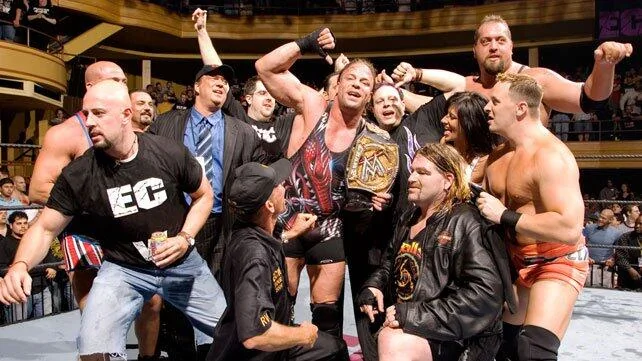
WWE ECW was the company's 2006-2010 television brand, revived from the name and legacy of the original ECW promotion that ended in 2001. This guide separates those chapters, explains the championship and offers a short route into the archive. Historical match results appear below.
Original ECW and WWE ECW were different chapters
ECW has two histories that overlap through wrestlers, footage and championship presentation. The original promotion grew out of Philadelphia wrestling in the 1990s and ceased operating in 2001. WWE later revived ECW as one of its own television brands, running from 2006 until 2010. Treating that as one uninterrupted weekly promotion makes both versions harder to understand.
For an archive search, “ECW” alone is therefore incomplete. Add an event, wrestler and year. A 1997 match and a 2009 match may both carry the initials while coming from very different organisational settings. The shared name explains the connection; it does not erase the gap.
Eastern Championship Wrestling became Extreme Championship Wrestling
Tod Gordon founded Eastern Championship Wrestling in 1992. Paul Heyman's growing creative influence helped shape the identity associated with the initials. The word “Extreme” came later, so accounts beginning in 1994 are usually highlighting a transformation rather than denying the earlier promotion existed.
On August 27, 1994, Shane Douglas won a tournament for the NWA World Heavyweight Championship and rejected the belt during his speech. The moment became a declaration of ECW's independence and its Extreme identity. WWE's interview about the birth of Extreme explains the branding decision through Heyman's recollection.
That episode is more informative than translating the initials without context. It shows a promotion trying to give itself a distinct place in a wrestling world dominated by larger organisations. The geographical name became an assertion about the product's character.
The original promotion ended in 2001
Financial problems eventually overtook the original company. Guilty as Charged on January 7, 2001 was its final pay-per-view. Bankruptcy followed in April. “Final pay-per-view” is a specific description; it should not automatically be substituted for the last live event or the date every legal matter concluded.
Fans sometimes use a favourite wrestler's later WWE appearance as if it continued the old promotion's operations. The careers continued, and ECW's influence remained visible, but those are different claims. A former ECW wrestler appearing on Raw was working within WWE's show rather than proving the original ECW company was still staging its own weekly programme.
Keeping 2001 separate from 2010 answers one common question immediately: ECW ended twice in different senses. The first endpoint concerns the original promotion. The second concerns WWE's later branded television series.
ECW's identity extended beyond weapons and blood
ECW's reputation for physical extremes is real, but it is an incomplete description of what appeared on its cards. Wrestlers with different backgrounds and strengths could give consecutive matches very different textures. A guide built only around tables and chairs loses the contrast that made those moments stand out.
It also loses the distinction between a performer and a stunt. Tommy Dreamer's persistence, Tazz's intense presentation, Sabu's unpredictability and Rob Van Dam's athletic individuality gave viewers recognisable characters to follow. Their appeal cannot be explained simply by counting objects brought into the ring.
Contrasting wrestlers and an involved audience shaped the shows
Eddie Guerrero and Dean Malenko provide a useful corrective to the narrowest version of ECW nostalgia. Their August 26, 1995 two-out-of-three falls match at the ECW Arena ended in a draw. WWE's account of that farewell encounter describes a crowd drawn into the wrestling as the two prepared to leave for WCW.
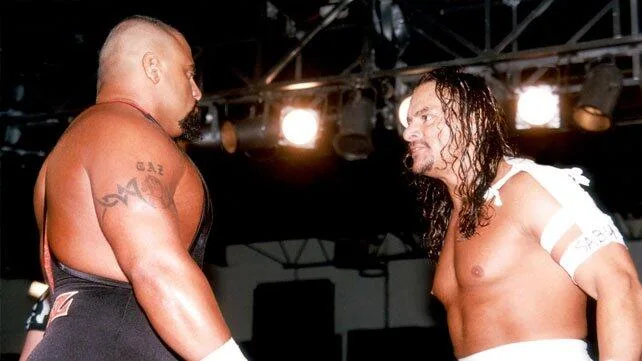
Watch how a sequence of counters can create suspense without a weapon being the central attraction. Then compare that rhythm with a brawl or a high-flying match on another card. “Extreme” covered a broad identity; it did not require every wrestler to have the same character, moves or dramatic purpose.
The audience was an audible part of that identity. A smaller room could put reactions close to the ring, and supporters sometimes treated allegiance to the promotion itself as part of the show. Listen for changes in response over a match rather than treating the crowd as a single permanent opinion. An initially hostile reaction and a later ovation can belong to the same encounter.
That involvement does not mean fans personally determined every result or that everything spontaneous-looking was unscripted. It means the presentation made their response unusually prominent. Announcing, interviews and recurring personalities helped connect an individual match to the promotion's wider sense of belonging.
For a first watch, choose contrasting wrestlers instead of seeking the most violent clip immediately. A technical exchange, a character-driven confrontation and a spectacular aerial performance tell you more about the range of the product together than any one of them can alone.
WWE moved from a reunion to a weekly ECW brand
WWE's revival developed in stages. A retrospective documentary and a reunion event allowed audiences to revisit the original promotion. A weekly brand then asked a different question: how could the ECW name function inside WWE's continuing television operation? The distinction explains why a successful nostalgic night did not guarantee that every later episode would feel the same.
One Night Stand in 2005 brought the old atmosphere back
ECW One Night Stand took place on June 12, 2005 at New York's Hammerstein Ballroom. The Dudley Boyz defeated Tommy Dreamer and The Sandman, while other matches reunited familiar ECW names. WWE produced the event, but its setting and the performers gave it a deliberately different atmosphere from a routine contemporary card.
For a viewer asking what the reunion meant, the whole event is more useful than one entrance. Listen to the crowd's relationship with returning wrestlers and notice how the show addresses memories of the old promotion. It is a retrospective celebration, taking place four years after the original company's collapse.
Keep that year attached to the title. One Night Stand in 2006 was another event, with a different role in the revival. Searching only the recurring name can move you between the reunion and the launch period without making the difference obvious.
The 2006 revival operated inside WWE
WWE's May 25, 2006 corporate launch announcement described ECW as a third brand alongside Raw and SmackDown. It announced a one-hour television programme beginning June 13 on the SCI FI Channel. Those are historical broadcast details, not a present-day viewing listing.
Two days before the television launch, Rob Van Dam defeated John Cena for the WWE Championship at the 2006 One Night Stand. That result connects an original ECW favourite with WWE's leading championship, but the belt he won from Cena was the WWE Championship. It should not be described as a match for the ECW Championship.
The weekly show combined originals with established WWE names and newer performers. Working inside WWE meant a different roster structure and production setting from the independent promotion. Its identity also changed over its run. A viewer should not expect an early 2006 episode and a later 2009 episode to contain an unchanged cast or identical creative priorities.
Nor did the letters automatically make every bout an Extreme Rules Match. Read the announced stipulation for the particular contest. The show's name, a wrestler's history and the rules applying to that night's match answer separate questions.
The championship connected originals with a changing roster
WWE's ECW Championship record presents the title's original and revived chapters together. Rob Van Dam appears in the revived lineage from June 13, 2006; later holders include Big Show, Bobby Lashley, CM Punk and Christian. That list is a useful historical connection, but it does not make the organisational circumstances identical.
Tommy Dreamer's 2009 title victory supplied a direct link to an original ECW figure, while other champions reflected the changing WWE roster. Follow the reign date when choosing a story to watch. “ECW Champion” describes a titleholder at a particular point in this history, rather than identifying one permanent kind of performer or one permanent version of the show.
WWE's ECW ended on February 16, 2010
The final episode of WWE's ECW aired on February 16, 2010 from Kansas City. Ezekiel Jackson defeated Christian in an Extreme Rules Match to become the final ECW Champion. WWE's contemporary finale report explicitly identifies the title's retirement after that result.
Christian had accepted the challenge on the preceding episode. Watching those two weeks together gives the match its immediate build and prevents an earlier encounter from being mistaken for the finale. Archive searches can also surface their Royal Rumble match from January 2010, when Christian successfully defended; that is a different event and outcome.
Jackson's brief place at the end of the lineage is a final championship victory, not a reign followed by months of televised ECW defences. The series ended that night. The retirement of a championship and a wrestler's subsequent career should be tracked separately rather than assuming the title followed its last holder wherever he next appeared.
WWE NXT debuted the following week. The programme introduced at that point used a format involving WWE veterans mentoring rookies. It should not be assumed to have been identical to the modern NXT brand simply because the name remains familiar.
For the reader asking “why did ECW end?”, first specify which ending is meant. The financial collapse of the original promotion in 2001 and WWE replacing a television brand in 2010 are separate developments. One explanation cannot automatically serve both. The finale supplies a precise answer about when WWE's weekly series stopped, while broader judgements about whether the revival fulfilled the old audience's expectations remain matters of interpretation.
Build an ECW watchlist around the version you want to understand
The best starting point depends on the question you bring to the archive. To understand the original promotion, start before its collapse. To understand the response to WWE's revival, compare the reunion with an actual weekly episode. Neither a single famous stunt nor a fan's verdict on the finale can stand in for both histories.
Choose a short route through both histories
| Starting point | What it helps explain |
|---|---|
| Guerrero vs. Malenko, August 26, 1995 | The original promotion's technical wrestling and the audience's changing response. |
| Barely Legal, April 13, 1997 | ECW's first pay-per-view, including Tazz against Sabu and Terry Funk's championship victory over Raven. |
| One Night Stand, June 12, 2005 | WWE's reunion of familiar ECW performers and the atmosphere surrounding their return. |
| One Night Stand, June 11, 2006 | Rob Van Dam's WWE Championship victory and the immediate setting for the weekly revival. |
| ECW's final two episodes, February 2010 | The challenge, final title change and closure of WWE's television brand. |
These are entry points rather than a ranking of every great ECW match. Barely Legal is especially valuable as a complete card because it shows the promotion presenting itself to a pay-per-view audience. Watch the matches around the famous headliners and listen to how the broadcast explains why that night matters.
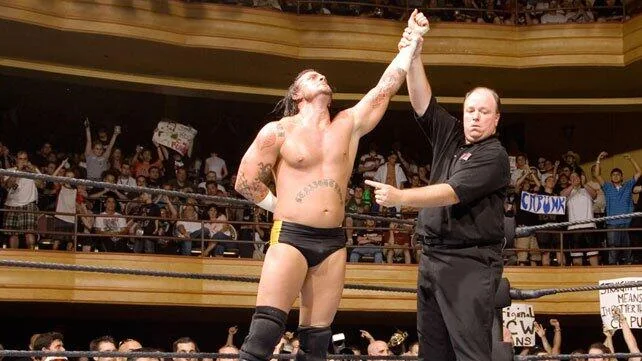
After one complete event, choose a wrestler or rivalry and follow its build. That gives a returning opponent, an entrance or a sudden alliance more meaning than another disconnected highlight. For the WWE revival, try one early episode and one later episode before judging how the series changed.
Keep archival context and present availability separate
Old WWE articles may advertise a streaming service, subscription price or catalogue that applied when they were published. Use them for the historical material they document, then check the current catalogue in your country for the precise event. A webpage still being accessible does not guarantee that a full video remains included in a subscription.
Search with the event name and year together. Within a service, check the episode date as well as the season label. If a compilation omits entrances, aftermath or surrounding interviews, remember that you are seeing a selection rather than necessarily the whole original broadcast.
Original ECW material also includes graphic violence, strong language and adult storylines. Review available advisories before choosing a show for younger viewers. Its historical significance does not make every segment suitable for every audience, and a dangerous-looking performance is not an instruction to imitate it.
For the surrounding WWE years, our Ruthless Aggression guide explains the broader brand structure. For today's programmes, use the current WWE schedule. ECW's legacy is clearest when its original achievements, WWE's later adaptation and present-day wrestling are connected without being collapsed into the same thing.
Start by choosing which ECW you want to understand. Then follow complete shows, exact dates and the wrestlers' changing roles. The original promotion and WWE revival can be assessed on their own terms while still sharing an influential legacy.
Join the discussion
Comments