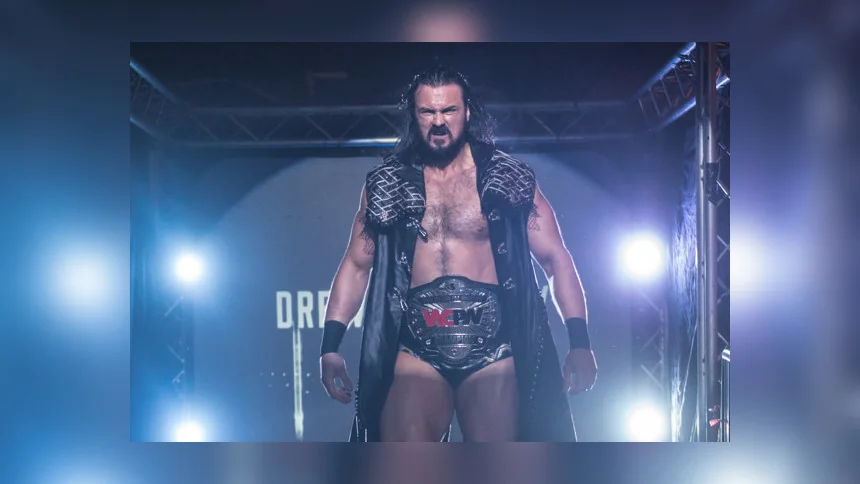
WhatCulture Pro Wrestling, usually shortened to WCPW, was a British independent promotion launched in 2016. It became Defiant Wrestling in December 2017 and announced its closure in August 2019. It was not a WWE brand. Its connection to WWE comes through performers such as Drew Galloway, Cody Rhodes and Nixon Newell, whose careers crossed different promotions and ring names. This history explains the shows, championships and archive without treating old cards as a current schedule.
Historical result spoilers follow, including championship changes and the 2017 Pro Wrestling World Cup final. This guide covers the promotion’s 2016–2019 run; surviving event pages are historical material.
WCPW was an independent promotion, not a WWE brand
WhatCulture Pro Wrestling was a British independent wrestling promotion based in Newcastle upon Tyne. WhatCulture announced the project on May 25, 2016, advertising live wrestling in Newcastle and appearances by personalities familiar from its YouTube channel. The initials WCPW identified that promotion. They did not identify an additional WWE show, a WWE championship division or a developmental brand alongside NXT.
The distinction becomes clearer when you ask who organized the event. A promotion books a card, presents its characters and championships, and releases the resulting show. WCPW did that under its own identity. A performer who had previously worked for WWE could appear on its card without making the event a WWE production. Equally, someone appearing before a later WWE career was building an independent record at that point.
WhatCulture’s media work and its wrestling shows were different products
WhatCulture was already producing wrestling coverage and videos. That supplied a recognizable audience and familiar presenters, but publishing a WWE discussion video and staging a wrestling event are different activities. The original announcement explicitly invited viewers of the channel to the new promotion’s live show. The project brought the audience into a room where matches and storylines could happen in front of them.
That crossover was part of the presentation. WhatCulture’s early Loaded coverage discussed Adam Pacitti, Adam Blampied and Jack the Jobber becoming involved in the promotion’s stories. A presenter could therefore be recognizable from a list video while also playing a character within a wrestling show. Treat a televised managerial dispute as part of that performance, rather than automatically reading it as a factual account of company management.
This also explains why searches for a “WhatCulture roster” can produce confusing results. You might mean the writers and hosts, the wrestlers booked for a particular WCPW event, or the performers associated with the later Defiant name. Those lists are not interchangeable. For current WWE performers, use the WWE roster pages; for WCPW, begin with the historical event and the name used at that time.
How Loaded turned an online audience into a wrestling crowd
Loaded was the episodic wrestling show at the center of WCPW’s early presentation. Its first episode reached YouTube in June 2016; series listings date the initial broadcast to June 27. That was a release date, which should not automatically be treated as the date every match was wrestled. Like other taped wrestling, the promotion could record material in front of a live audience and present it later as a program.
The format offered more than a collection of recognizable names. Early coverage identified Joe Hendry and Big Damo, El Ligero and Martin Kirby, and the unveiling of the promotion’s championship. Matches sat alongside introductions, commentary and character segments. Someone arriving from WhatCulture’s discussion videos could follow familiar personalities into an unfamiliar independent wrestling scene, while an established independent fan could come for the wrestlers.
Free online distribution made that combination easy to sample. You did not need to attend the Newcastle show to understand why a character was unpopular or why a challenger wanted a championship match. As an editorial reading of the format, that accessibility was one of WCPW’s most useful ideas: a viewer could encounter the show through the media audience and then become interested in a wrestler they had not previously followed.
There were limitations to that shortcut. An isolated match upload can omit the segment that established the stakes. A presenter’s interference may seem arbitrary when you have not seen the earlier disagreement. Watching a complete episode, where available, gives you the promotion’s intended pacing and lets a finish sit in its original story. It also makes clear that the matches were their own wrestling product, rather than re-edited WWE footage.
For a first visit to the archive, choose an early Loaded episode and follow one character through the surrounding material. You do not need to memorize every host or watch the entire three-year history in order. The aim is to understand the relationships presented on that show. Once those make sense, a singles match or championship challenge becomes easier to appreciate on its own merits.
The wrestlers and championships that defined WCPW
WCPW combined established international names with wrestlers building longer stories inside the promotion. A historical card therefore tells you more than a simple “before they were famous” list. Some participants were already recognizable, others became regular opponents through Loaded, and the championships gave those appearances consequences within WCPW’s own world.
Drew Galloway’s title run connects two parts of his career
Drew Galloway is a useful entry point for WWE fans who know him as Drew McIntyre. WWE’s biography places his first departure in 2014 and his return in 2017. During that independent period, WCPW presented Galloway as its champion. The promotion’s No Regrets preview advertised him defending the title in a 30-man Championship Rumble on April 29, 2017, with Galloway declaring he would enter first.
That preview shows how prominently he was positioned. It also illustrates an important archive distinction: his declaration that he would leave champion was a character’s promise before a match, not a result. Read the match outcome separately. The independent title belongs to that promotion’s lineage, while McIntyre’s WWE championships belong to WWE’s record. A career can connect them without merging the belts.
Women’s, tag-team and Internet titles broadened the card
The women’s division had its own central rivalry. The promotion’s Nixon Newell profile identifies her as the inaugural women’s champion after a Last Woman Standing match with Bea Priestley at Stacked. That gives a new viewer a clear starting point: a title being established through a specific opponent and stipulation, rather than a list of names detached from their matches.
Tag teams and the Internet Championship supplied other kinds of stories. The historical tag-title record starts with Johnny Moss and Liam Slater’s reign in November 2016. The Internet title’s history includes Cody Rhodes followed by Gabriel Kidd in April 2017. Defiant’s own later account explains that Kidd pinned Rhodes to win the championship in his first victory. It is a useful example of a regular character’s payoff involving an internationally familiar opponent.
| Archive starting point | What to follow |
|---|---|
| Galloway as WCPW champion | The title stakes between his WWE runs |
| Newell and Priestley | The early women’s championship rivalry |
| Moss and Slater | An established tag division |
| Rhodes and Kidd | A recognizable star within a local character’s story |
“Internet Champion” was a championship name, not a count of followers or an informal award for the most popular upload. It did not make the holder a WWE champion. For WWE title terminology and the present holders, keep the separate WWE champions directory open rather than treating an old WCPW belt as part of today’s WWE picture.
Why the 2017 Pro Wrestling World Cup still draws interest
The 2017 Pro Wrestling World Cup is one of the clearest ways into WCPW’s international ambitions. It gave matches a tournament structure extending beyond a single weekly episode. Wrestlers progressed through a bracket, so a viewer could follow a competitor across different opponents instead of needing every detail of Loaded’s regular storylines.
The final stages moved through three English cities. The promotion advertised the round of 16 in Milton Keynes on August 23, quarterfinals in Manchester on August 24, and semifinals plus the final at Newcastle’s Sport Central on August 26. That sequence is useful when an archive simply labels several shows “World Cup.” They were different rounds, rather than duplicate versions of one event.
The completed Newcastle event record gives the decisive results: KUSHIDA beat Joseph Conners in one semifinal, Will Ospreay beat Ricochet in the other, and KUSHIDA defeated Ospreay by pinfall in the final. That is more precise than reading the original event advertisement, which listed possible combinations before the earlier rounds had happened. An old page may preserve both the preview and the eventual results; make sure you know which part you are reading.
For a new viewer, those pairings create several routes into the tournament. You can follow KUSHIDA’s final-day path, watch Ospreay’s semifinal before the final, or return to the earlier bracket for the advertised Rey Mysterio–Ospreay meeting. The value is in following progression and contrasting opponents, rather than treating the tournament as a list of names that became more familiar later.
The final also needs its own event identity. KUSHIDA and Ospreay met elsewhere, including in New Japan Pro-Wrestling; a search for only their names can return a different match with different stakes. Include “WCPW,” “Pro Wrestling World Cup” and “2017” when looking for this one. Defiant’s official final upload is titled Will Ospreay vs. KUSHIDA – Pro Wrestling World Cup Final.
Its listed upload date is August 28, two days after the Newcastle event. That gap is a helpful reminder that publication and performance are separate dates. The match belongs to WCPW’s tournament history even though the archive channel now uses the Defiant name. Neither the later channel label nor the shared opponents turn it into a WWE or NJPW tournament match.
From the Defiant rebrand to the 2019 closure
WCPW relaunched as Defiant Wrestling on December 4, 2017. The promotion’s original announcement placed the launch show at Newcastle’s O2 Academy and introduced Stu Bennett as general manager. It also explained the move toward a dedicated Access Defiant service. Those details describe the planned presentation and distribution at that moment in 2017; they are not instructions for buying a subscription today.
The name change is why older matches can appear beneath the Defiant heading even though their original branding says WCPW. The announcement explicitly included historical WCPW broadcasts in the new service. Following that continuity is more useful than imagining two unrelated promotions whenever the logo changes. It also does not create a connection to WWE ownership: this was the independent promotion changing its identity.
| Date | Milestone |
|---|---|
| May 25, 2016 | WhatCulture announces WCPW |
| June 2016 | Loaded reaches its online audience |
| December 4, 2017 | The Defiant relaunch |
| August 1, 2019 | The promotion announces its closure |
Defiant’s August 1, 2019 closure statement thanked the people who had worked on, attended and watched its shows. Contemporary reports preserved that statement; some were published on August 2. That later publication date does not move the announcement itself to a different day. The practical result for an archive reader is straightforward: this is a completed period of wrestling history.
Separate the announcement from explanations offered afterward
There were documented business difficulties before the end. In May 2017, WCPW attributed the cancellation of planned Loaded tapings to a sharp decline in YouTube advertising income. Fightful reproduced the promotion’s statement at the time, including its distinction between those canceled dates and other events that would proceed. That supports a specific account of a 2017 problem.
It does not establish that one platform decision was the sole reason for closure more than two years later. Nor does a short farewell statement substantiate every later explanation involving talent departures, competition or individual management decisions. Those are different claims and need their own evidence. A sensible history keeps the confirmed milestones clear without turning a complicated business story into an unsupported single cause.
Old pages may still show ticket links, “active” title labels or a current copyright year. Read the dated event information around them. A functioning archive is valuable because it preserves the record; it is not evidence that the promotion has resumed running shows. Do not use a surviving shop or subscription link as a current purchase recommendation.
How WWE fans should approach the WCPW archive
The strongest WWE connection is through the wrestlers’ careers, rather than through company ownership. A WCPW match can show a familiar performer at another stage: working under a different ring name, holding a different promotion’s championship, or meeting an opponent outside the setting you know from television. Keep that original context and the archive becomes more interesting than a collection of apparent WWE crossover clips.
A familiar wrestler does not make it a WWE match
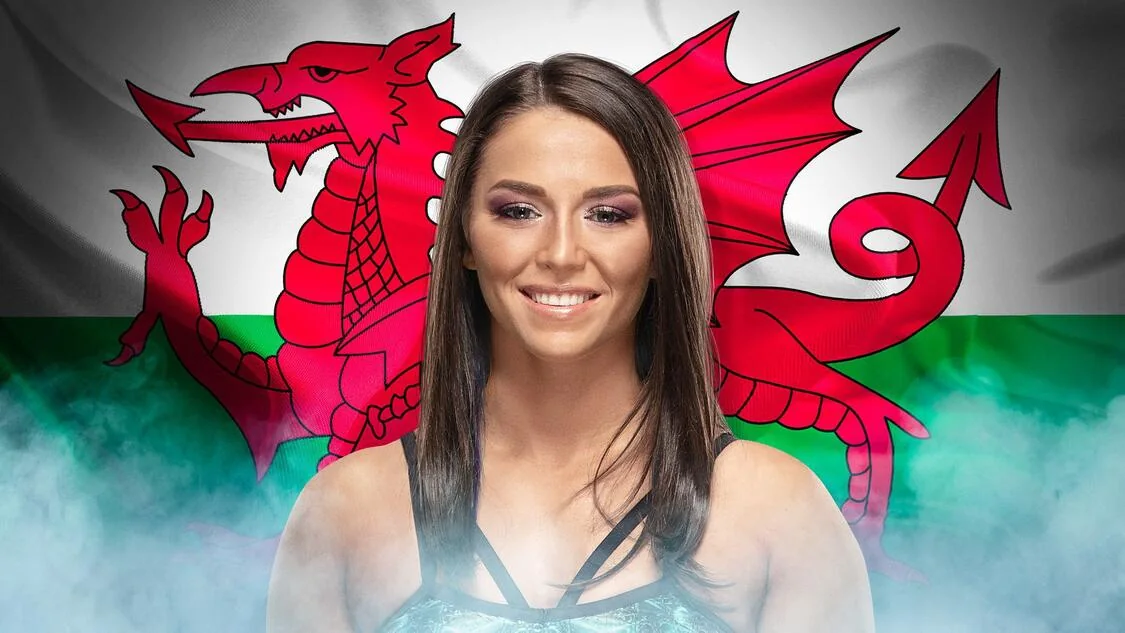
McIntyre’s Galloway name is one example. Nixon Newell, later known in WWE as Tegan Nox, is another: WWE’s 2018 Mae Young Classic profile uses the Nox name, while the old WCPW record uses Newell. Those are useful identity connections, not grounds for relabeling a 2016 championship match as an NXT match. Use the name on the original card when discussing that appearance.
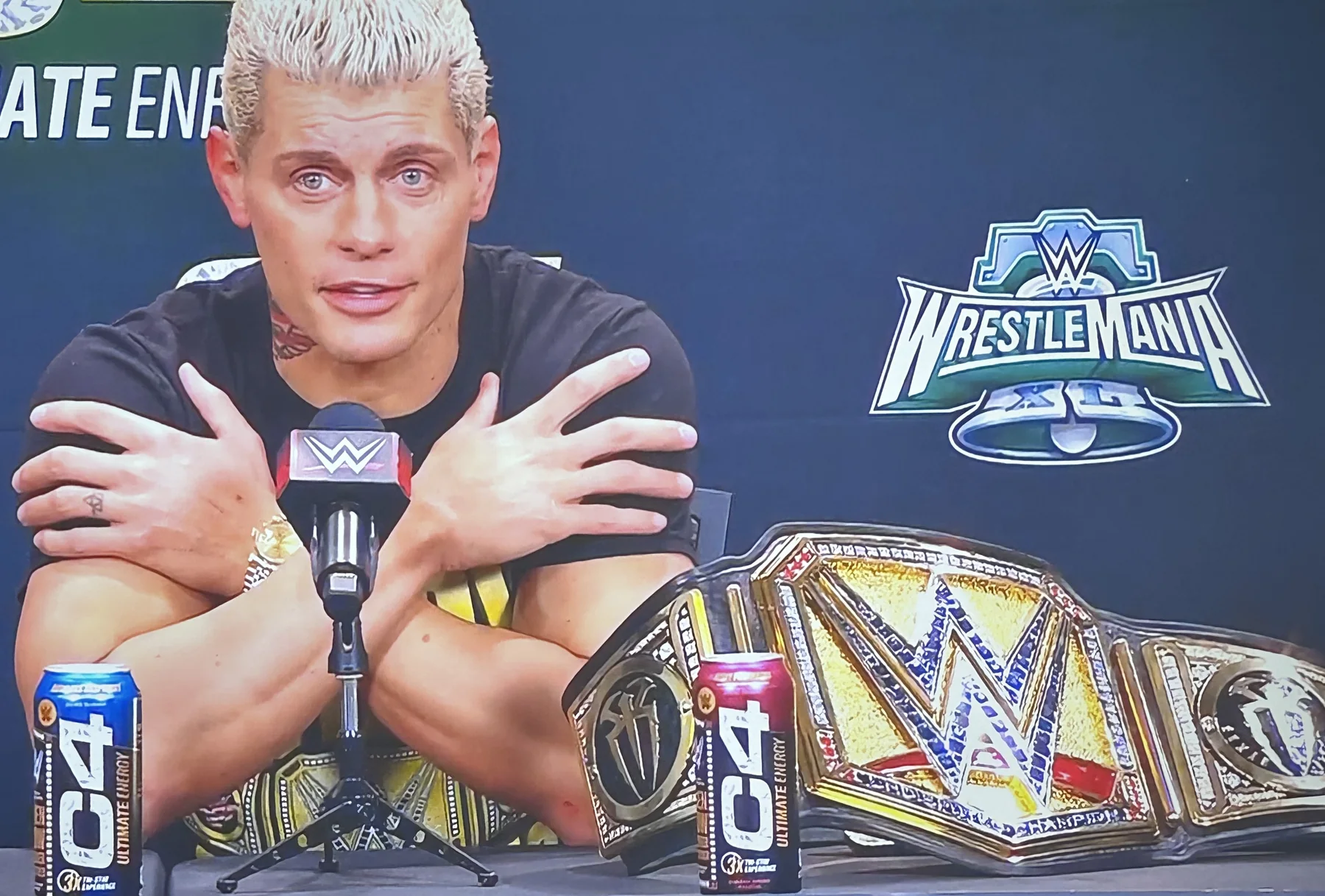
Cody Rhodes provides a different kind of connection. The distributor’s Refuse to Lose 2016 page explicitly advertised his appearance after leaving WWE and paired him with Doug Williams. The same event also featured Kurt Angle. Two familiar WWE names being booked on an independent show did not turn the card into a WWE event, and their presence on one poster does not mean they faced each other that night. Always check the actual pairing.
Use event records and official uploads together
CAGEMATCH is useful for finding the promotion’s events, historical personnel and title records. Its all-time roster is a starting index, rather than a list of wrestlers employed there simultaneously. A single appearance and a long run can both put someone into a historical record. Open the relevant event before deciding what that entry tells you about a performer’s career.
- Identify the promotion name and event year, including whether the original card used WCPW or Defiant.
- Check the event title, round, opponent and stipulation to distinguish similarly named matches.
- Read whether the date refers to the live event, broadcast or later upload.
- Prefer the promotion’s own upload or an authorized distributor, and check present availability before paying.
You do not need to treat a database rating as a verdict before watching. Use records to locate the match and let the performance stand on its own. If your next stop is WWE’s own current clips or archive, our official WWE video guide explains that separate library. WCPW’s presence on YouTube does not automatically place its matches inside a WWE streaming collection.
Start with the part of the history that appeals to you: Loaded’s early characters, a title rivalry, or the World Cup’s final rounds. Follow the correct event through its own record and presentation. That gives WCPW and Defiant credit for the independent wrestling they produced while keeping their connection to WWE in its proper place.
Join the discussion
Comments