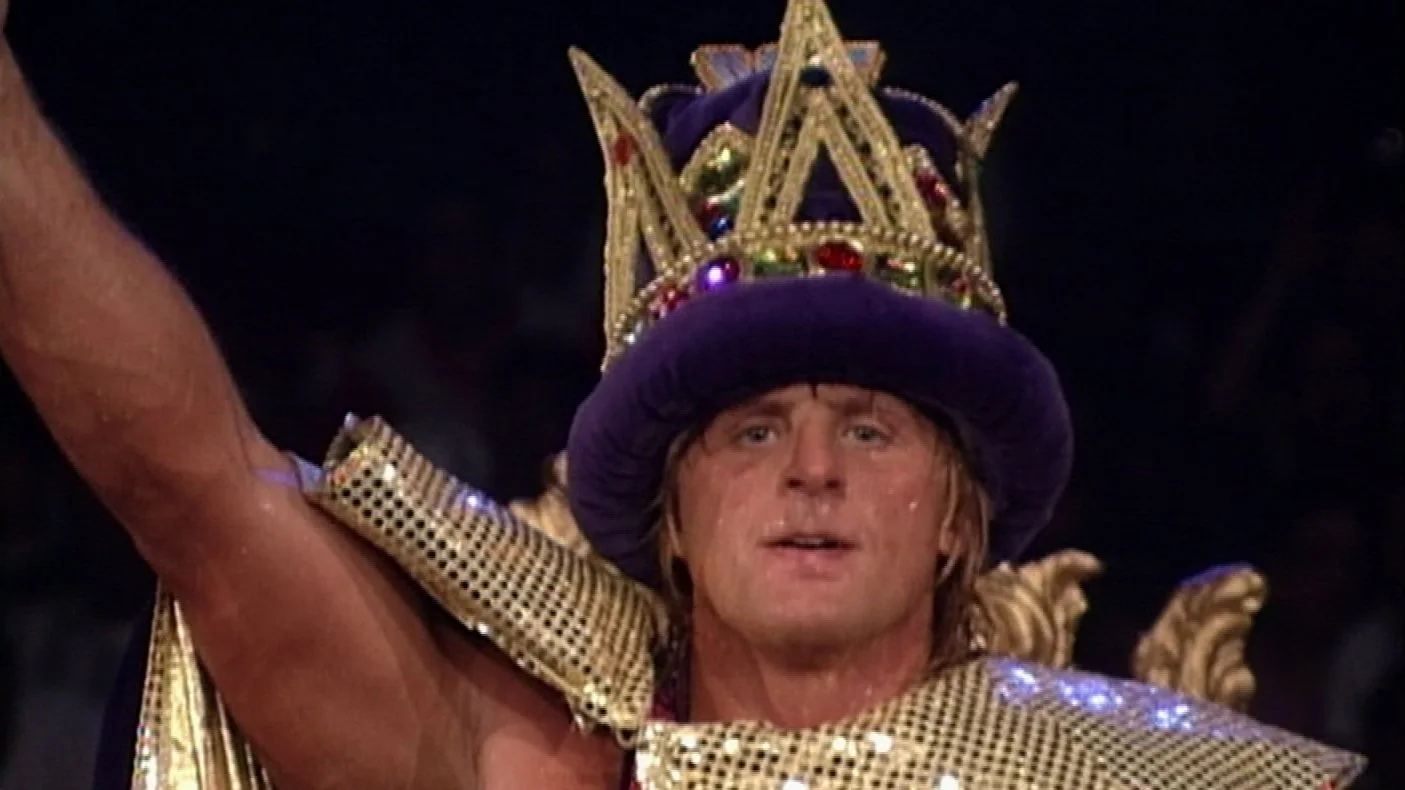
The key WWF/WWE case behind searches for “deaths in the ring” is Owen Hart's fatal entrance accident at Over the Edge on May 23, 1999. He was preparing to enter as the Blue Blazer, not taking part in an ordinary wrestling exchange. Other names often grouped with him require different explanations: Droz survived his 1999 injury and died in 2023, Eddie Guerrero died away from the ring, and Perro Aguayo Jr.'s fatal match incident occurred on another promotion's show.
This is a historical explanation, checked on November 11, 2026, rather than a list of people purportedly dying today. It discusses real deaths and serious injuries without graphic detail. The purpose is to answer what happened accurately, separate performers from fictional characters, and keep the lives and careers behind these names in view.
What “in the ring” does and does not mean
“A wrestler died in the ring” can conceal several different events. A person can suffer a fatal accident while preparing to enter, become seriously injured during a match and live for decades afterward, or die away from the venue while still on a wrestling roster. A television character can also be written out through a fictional death. These accounts require different descriptions, even when a compilation puts them under one headline.
Owen Hart's death on May 23, 1999, is the central WWF/WWE case behind this search. He suffered an entrance-stunt accident at Over the Edge in Kansas City. Darren “Droz” Drozdov, another name associated with a 1999 ring accident, survived his injury and lived until 2023. Combining them as two deaths during 1999 matches erases the most important facts of both men's histories.
It helps to ask four questions before accepting a list: What was happening at the time? Which promotion ran the event? When did the person die? Is the account describing the performer or a television character? The answers prevent a wrestler's later WWE association from turning an incident elsewhere into a WWE event. They also prevent the publication date of an anniversary article from becoming a false date of death.
The company was called the World Wrestling Federation when Owen's accident occurred. Modern coverage often uses “WWE” for the same company's history, which is understandable, but “WWF, now WWE” makes the 1999 context clearer. This article explains the major distinctions rather than claiming to be a complete register of every death across professional wrestling. It discusses the incidents without graphic images or descriptions, and includes the careers and family legacies that a bare fatality list leaves out.
Owen Hart: an entrance accident at Over the Edge in 1999
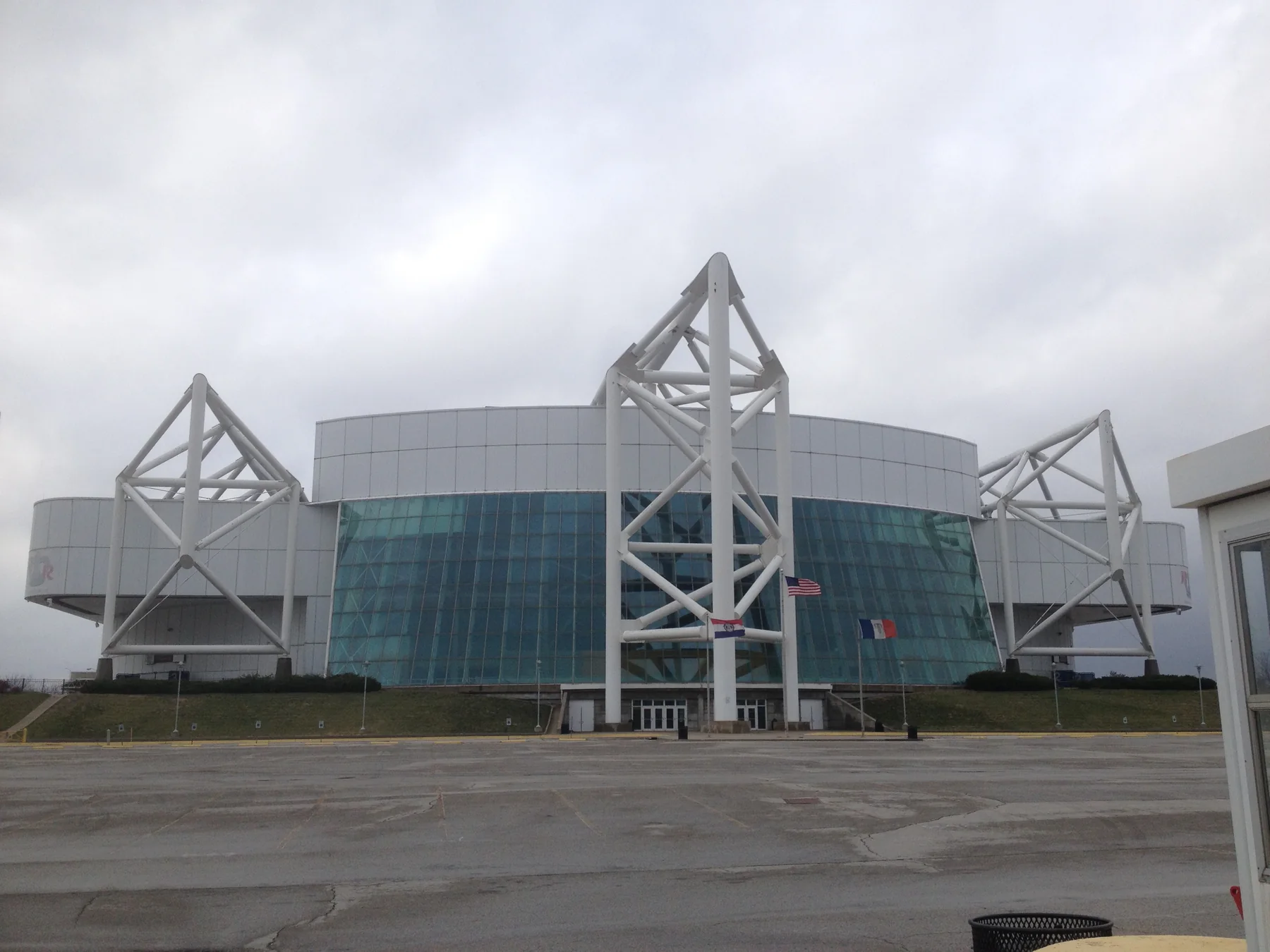
Owen Hart died following an accident at the WWF's Over the Edge pay-per-view on May 23, 1999, at Kemper Arena in Kansas City, Missouri. His family's foundation and the company's contemporary financial filing both identify that date and venue. The incident belongs to the history of a real performer and his family, even though it occurred inside a television production built around fictional characters and predetermined match outcomes.
The Blue Blazer entrance was separate from a wrestling match
Hart was performing as the Blue Blazer and was supposed to make an entrance from above the ring. The fatal accident occurred during that planned descent, before he could wrestle the scheduled bout. Describing it simply as a death “during a match” gives readers the wrong picture. It was not an opponent's wrestling move or a normal exchange between two competitors.
Contemporary reporting preserved by Pro Wrestling Torch records the broadcast commentary explaining that something had gone wrong with the entrance and later confirming Hart's death. That sequence matters because a spectator initially encountering a dramatic wrestling presentation may not know whether an incident is part of the show. The later confirmation concerns Owen Hart the person, not a fictional disappearance of the Blue Blazer character.
Many retellings focus on measurements of the fall or minute-by-minute speculation about the equipment. None is necessary to understand the basic distinction. The established context is an entrance stunt at a WWF event that ended in a fatal accident. Reconstructing the exact mechanical cause requires evidence beyond a short online summary, and an entertainment biography is not a substitute for that investigation.
What the contemporary record establishes
A company SEC filing submitted in September 1999 disclosed civil litigation arising from Hart's death at the May 23 event. It is a useful contemporary record of the incident and its aftermath. It also illustrates why a document has to be read in context: a filing can describe allegations made by plaintiffs and the company's response without turning either side's position into a court's factual finding.
For a fan learning this history, the most reliable starting points are the dated record, a clearly attributed contemporary account and the family's own account of Owen's legacy. A later video title promising the “real story” does not override those sources merely because it sounds more certain. Nor does a newly posted anniversary story mean the death is recent. May 23, 1999, remains the event date.
It is possible to acknowledge the gravity of what happened without circulating accident footage or reducing Owen's identity to the final moments of his life. The useful historical answer explains the entrance, the event and the difference between performance and reality. His matches, championships, colleagues and family deserve their own place in the account rather than serving only as background to a shocking headline.
Droz: a catastrophic injury followed by a life beyond the ring
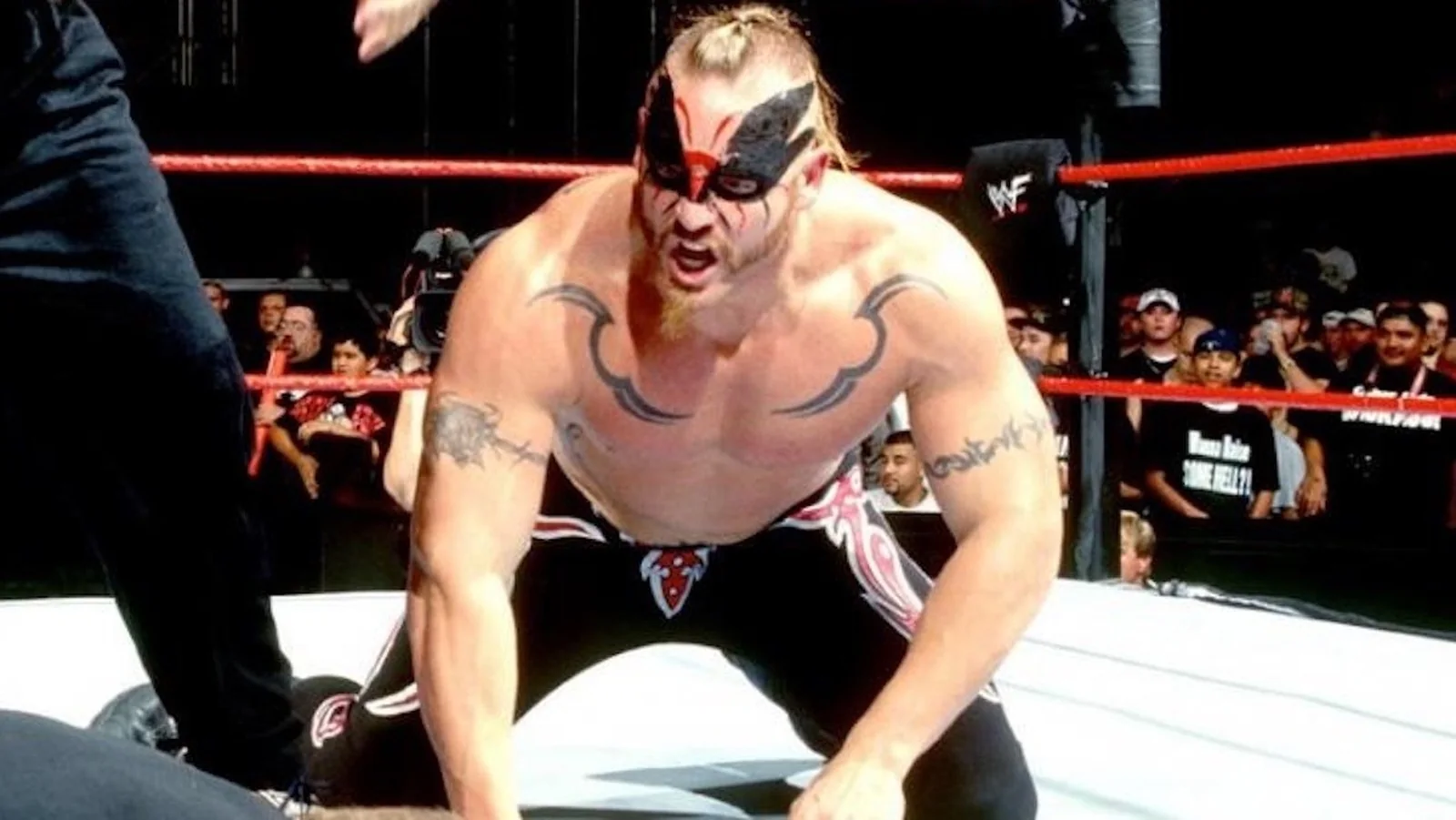
Darren Drozdov's injury occurred during a WWF SmackDown taping on October 5, 1999, in a match with D'Lo Brown. Unlike Owen Hart's entrance accident, this happened during a wrestling match. It caused a severe neck injury and ended Droz's in-ring career. It did not end his life that night. That distinction should appear in the first sentence of any account comparing the two incidents, rather than being left for a footnote.
Droz came to wrestling with a substantial athletic background. WWE's obituary recalls his football career at the University of Maryland and time with NFL organizations, followed by his appearances with the Legion of Doom and the Droz's World vignettes. POST Wrestling's career account also describes his later teaming with Prince Albert and his work on WWF programming. He was a performer establishing an identity in the late-1990s roster, not merely a name attached to an accident.
The injury changed what he could do professionally, but survival is not a small qualification to be omitted from a dramatic headline. POST Wrestling notes that he continued contributing to WWF/WWE's website and digital programming afterward. Fans who remember those contributions may have encountered him years after his last match. That continued connection is part of the chronology, even when a short retrospective concentrates exclusively on the taping.
His death in 2023 was not the 1999 accident
Droz died on June 30, 2023, aged 54. In the family statement published by WWE, his relatives said he died of natural causes. They described the 24 years he lived after the accident and the relationships, conversations and support that mattered to him. The statement is a family's account of his life and death; it should not be expanded into an unsupported medical explanation.
Putting the 1999 injury and 2023 death on separate lines immediately corrects the common misconception. A career-ending injury, the end of an active television role and a person's death are three different milestones. Treating all three as one event deprives readers of an accurate history and disregards the decades of life his family expressly asked people to remember.
There is also no need to turn this correction into a debate about blame for an individual wrestling move. The useful answer identifies the match, the injury, the later date of death and the family's words. It can acknowledge how serious the accident was while recognizing that Droz's story continued beyond it.
Other names require their own dates and promotions
Two other names demonstrate why the place and promoter matter as much as the wrestler's identity. Eddie Guerrero was a WWE star whose death occurred away from the ring. Perro Aguayo Jr. suffered a fatal incident connected with a match in Mexico, but it was not a WWE event. Neither distinction diminishes the loss. It simply keeps separate histories from being compressed into an inaccurate WWE list.
Eddie Guerrero did not die during a WWE match
WWE's announcement dated November 13, 2005, said Eddie Guerrero, 38, had been found dead that morning in his Minneapolis hotel room. That is a direct answer to the location question: he was not killed by a move during a WWE match. The original company statement did not provide a medical explanation, and there is no need to invent one to establish this distinction.
The following Raw became a tribute to Guerrero, with a ten-bell salute, messages from fellow performers and matches dedicated to him. WWE's own account of the November 14 program describes those remembrances. Footage of wrestlers crying in a ring therefore documents their reaction and his memorial, not the location of his death. A compilation that places those images beside an obituary can lead an unfamiliar viewer to confuse the two.
Guerrero's championship career and his influence on colleagues are central to why the tribute mattered. WWE's announcement recalled his WWE Championship win in February 2004. Remembering that achievement gives the broadcast its proper context: the roster was honoring a colleague and major performer, rather than continuing a storyline about an on-screen death.
Perro Aguayo Jr. was not competing on a WWE show
Perro Aguayo Jr.'s fatal incident followed a match in Tijuana on Friday, March 20, 2015; his death was reported the following day. Contemporary accounts from La Jornada and LuchaWorld identify the event as a The Crash show. The match involved Rey Mysterio, a name strongly associated with WWE, which helps explain why some later searches place it in a WWE context. That association does not identify the event's promoter.
La Jornada reported that AAA itself clarified that The Crash had staged the show. It is therefore important to distinguish the promotion running a particular event from the organizations that employed or had previously employed its participants. Professional wrestlers can appear across companies and countries. Their most familiar television affiliation does not automatically apply to every match in their careers.
WWE's March 30, 2015, Raw account also mentions Sin Cara wearing gloves in tribute to Perro Aguayo Jr. That is evidence of remembrance reaching WWE programming, not evidence that WWE ran the Tijuana event. The historical correction needs no graphic replay and no unsupported assignment of blame to a wrestler. The name, the March 2015 dates, the city and the promoter provide the necessary context.
WWE character deaths are a different kind of story
Wrestling television can present an apparent death as a plot device. One clear example is the limousine explosion at the end of Raw on June 11, 2007. WWE's own archived video now describes Mr. McMahon as staging his demise, and its account of his August return explicitly refers to the explosion as staged. Reading only a dramatic headline from the intervening storyline can hide that context.
Company ownership of a website does not mean every page uses the same kind of language. A Raw recap may describe the fictional world as if it were unfolding literally. A corporate announcement or family statement about a real death serves a different purpose. The reader has to identify whether a page is narrating the program or reporting an event involving the person who performs in it.
The Undertaker's Deadman presentation is another reason death-related phrases appear in WWE searches. His supernatural character, entrances and fictional rivalries are performance elements. WWE's announcement of his April 1, 2022, Hall of Fame induction concerns the career of the performer behind that presentation. It is not an obituary, and a character nickname is not evidence that the person has died. Our Undertaker and Kane explainer separates that fictional family story from real biography.
The distinction works in both directions. An on-screen disappearance should not become an unsupported real-world death claim; a real accident should not be dismissed because WWE usually tells scripted stories. Owen Hart's death and Droz's injury were real events affecting real families. The fact that the surrounding shows included fictional conflict does not make those events fictional. Check the context and the dated confirmation instead of treating everything in a wrestling ring as either entirely staged or entirely literal.
Remember the careers and the families behind the headlines
A useful next step after learning about Owen Hart's accident is to watch a match that shows why fans valued him. WrestleMania X in 1994 offers a clear starting point: Owen defeated his brother Bret in the opening match. Their sibling rivalry made the action about recognition, competition and family pride. It gives a newcomer a chance to understand Owen as a wrestler and performer, rather than meeting him only through an account of his death.
His 1994 King of the Ring victory over Razor Ramon provides another entry point, followed by the WWE Championship Steel Cage Match against Bret at SummerSlam that year. These are distinct parts of a career, not interchangeable clips of someone who later died. The King of the Ring history guide places that tournament win alongside other editions without making the accident the explanation for every earlier achievement.
The same approach applies to Droz. A career photograph, a match or his later contributions can add something that injury footage cannot: a sense of the person whose life continued after the audience last saw him wrestle. His family's account emphasizes the relationships he maintained. Remembering those years does not minimize the injury; it corrects the impression that his entire story ended at the taping.
The Owen Hart Foundation gives remembrance a practical purpose
Martha Hart says she established the Owen Hart Foundation in December 2000 as a lasting memorial to her husband. On the foundation's own website, she explains the wish to help others in his name. This provides a family-led perspective on what remembrance can mean beyond replaying a terrible event or debating a television company's presentation of history.
The foundation's scholarship program supports educational opportunities. Readers interested in that work can use the organization's current pages to learn about its programs and participation. A charity's mission, a wrestling promotion's historical archive and an individual fan's memories are different parts of Owen's legacy; they need not be collapsed into one institution or one argument.
Respectful coverage keeps the correction and the remembrance together. Name what happened accurately, retain the actual date, distinguish the person from the character, and give the career room to exist beyond the tragedy. That is more informative than a ranked list of shocking moments, and more faithful to the lives being discussed.
When you encounter another death-related wrestling headline, check the person's name, the actual event date, the location and the promotion before sharing it. An old anniversary, a tribute broadcast, a fictional angle and a real death are different things. For these historical cases, accurate context is the most useful tribute a reader can carry forward.
Join the discussion
Comments