The World Wrestling Federation became WWE in May 2002 after English courts upheld restrictions in its 1994 agreement with the World Wide Fund for Nature. The dispute centered on the WWF initials, including their use in the wrestling company's web addresses and scratch logo. The company chose World Wrestling Entertainment as its new name and announced the change on May 6.
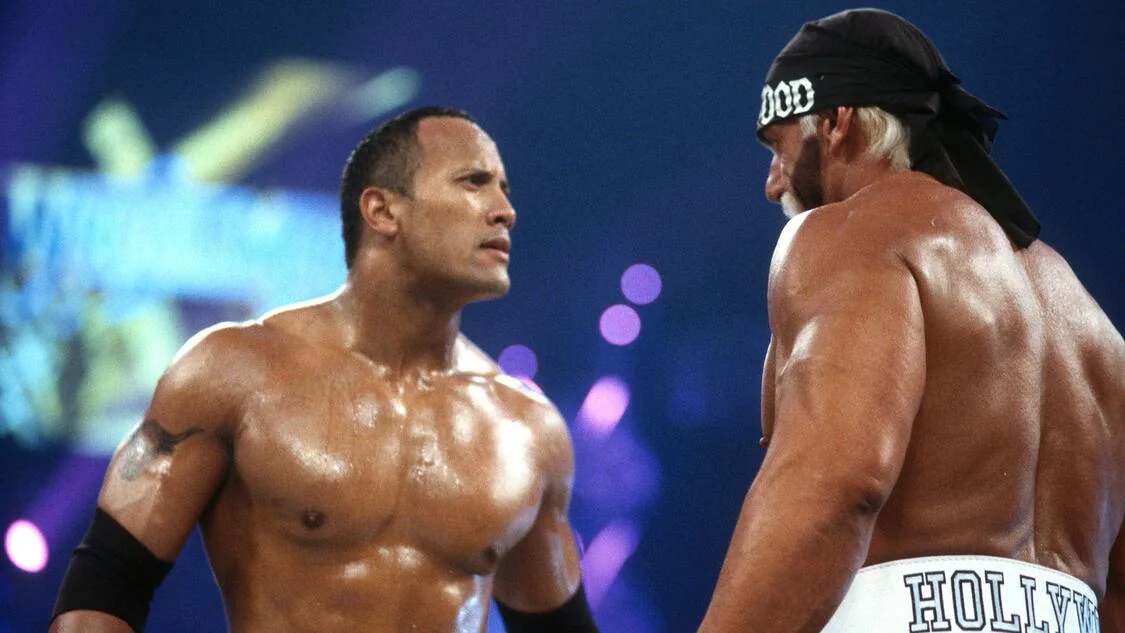
The Rock and Hulk Hogan had faced off at WrestleMania X8 in Toronto that March, when the old brand was still in use. In the weeks between that match and the May rebrand, fans could follow the same promotion while the company changed how it presented itself. That timetable also helps explain why modern copies of footage from the same period can differ. The full names are covered in our WWE and WWF acronym guide.
What the 1994 agreement restricted
The January 20, 1994 agreement grew out of overlapping use of the initials WWF. On one side was the conservation organization World Wide Fund for Nature, still known as World Wildlife Fund in the United States. On the other was Titan Sports, the company operating the World Wrestling Federation. The same three letters appeared in the two organizations’ public identities. As the wrestling business expanded through licensed goods, publications and broadcasts, their disagreements reached trademark registries and courts outside the United States.
The conservation organization worried that the shared abbreviation could lead people to think the two organizations were associated. It also wanted to preserve the reputation and recognition attached to its initials. The Swiss dispute over a wrestling magazine provides a concrete example. An interim order there restricted publications carrying the designation while the parties were negotiating. The summary in the 2002 appellate judgment describes that dispute and the negotiations that followed. The parties eventually agreed on conditions for the wrestling company’s use, and the Fund agreed to drop pending litigation and refrain from specified future claims over use that complied with the terms.
How it treated the full name, initials and old logo
Read the definitions before the restrictions. The full name World Wrestling Federation and specific versions of Titan’s existing logo were excluded from the agreement’s definition of the initials. The logo forms appeared in an attachment. The restrictions applied broadly to written, printed and other visual uses of the abbreviation, subject to the agreement’s exceptions. For fans who grew up with a block-style wrestling emblem, that distinction explains how one graphic could be permitted while plain letters on a new piece of packaging faced tighter limits.
Occasional spoken English references during wrestling events also had an exception. The agreement called for efforts to avoid the initials in scripted material, while leaving room for an occasional oral use. The later appellate account also describes exceptions for certain print pieces already approved by a cutoff and some visual presentations already recorded or published. A broadcaster or licensee had to look at which version of the logo it planned to use, how the initials appeared and when the material had been made.
Why later distribution mattered
The agreement made special provision for the United States, including different treatment of spoken references relating to goods. Visual uses on goods and uses connected to charitable solicitations still faced restrictions, and an earlier 1989 letter agreement governed other rights in the United States. The promotion drew on the more permissive U.S. position when it explained its business in a 2000 filing. An international website tested those boundaries because people could reach the same address outside the United States. A rule that separated goods, event speech and territory now had to be applied to a single address that fans everywhere could type.
Why the Fund went to court
The wrestling company’s website, established in 1997, put the disputed letters in a place fans could see and type every time they wanted news or tickets. The promotion followed with a new graphic in early 1998, usually called the scratch logo for its irregular strokes. The Fund challenged both practices. The company’s 2001 annual filing lists the main domain, a shop domain and material on the websites, as well as the scratch design and some spoken uses in overseas broadcasts. Those were the claims as the company described them while the case was pending.
Accounts can give different dates for when the lawsuit began. The High Court’s later procedural account records that proceedings were issued on December 23, 1999, and served on April 17, 2000. The April date appears in the company’s description to investors. The Fund asked the English High Court to enforce the agreement and address damages. Its case concerned uses tied to a contract governed by English law, which explains the choice of court even though the promotion was American.
What the High Court decided in 2001
On August 10, 2001, Justice Robin Jacob granted summary judgment for the Fund. In the company’s account of the ruling, the domain addresses and the scratch logo breached the agreement. The judge decided that those points could be resolved on the record without a full trial. Asking whether the two businesses made similar products misses an important part of what the court was doing. It examined whether the promotion had complied with the specific terms it had signed with the Fund.
The court made its order on October 1, 2001. It restrained use of the initials apart from what the agreement allowed and directed an inquiry into whether the Fund had sustained damages. The later Court of Appeal account records both parts of the order. That is why an August decision and an October order can both appear in accurate timelines. The order was stayed during the first appeal, and the size and basis of any damages remained separate questions.
How the Court of Appeal treated the domain and scratch logo
The promotion argued that the limits were an unreasonable restraint on its trade. It also argued that the scratch mark was a graphic version of the initials that should fall outside the written restrictions. At that stage the website was an acknowledged breach, while the precise application to the graphic remained disputed. The Court of Appeal upheld the lower court’s order and dismissed the appeal on February 27, 2002. It treated the decision to build a global business around the initials as a commercial risk the promotion had taken under the agreement.
On June 10, the House of Lords declined to hear a further appeal, according to WWE’s 2002 quarterly filing. This was a refusal of permission to appeal. By then the promotion had already announced its new name. The dates show the contract restrictions came first, the injunction put pressure on the existing brand, and the promotion had announced its new name before permission for a further appeal was refused.
How WWE rolled out the new name in 2002
The public launch date was May 6, 2002. In its announcement that day, the company introduced World Wrestling Entertainment, announced the move to WWE.com and said viewers would see the revised logo on Raw on TNN that evening. The new scratch logo kept the jagged double W and removed the F. The campaign remembered as “Get the F Out” turned the change into a line wrestling fans could repeat. Linda McMahon explicitly connected the decision to the Fund’s court victory, while explaining that WWE wanted a single identity it could use internationally across media and live events.
Fans could see the new design on television in one night. A company with television distributors, licensees, advertising and merchandise had other transitions to manage. WWE supplied updated artwork to partners and expected most of the conversion to be finished within five months. In New York’s Times Square, the entertainment complex called WWF New York took the name The World. The move to WWE.com changed where fans found the promotion online, and the company told investors it was also updating advertising, company stationery and official paperwork. That gave a single slogan many distinct jobs.
Raw and SmackDown carried on through the change. The company had announced its brand extension in March, with separate rosters and programming identities, before the May name launch. Then at Judgment Day in Nashville on May 19, Edge beat Kurt Angle in a Hair vs. Hair Match and The Undertaker took the championship from Hulk Hogan. The event fits into the existing show's annual run, as the official results archive shows. A fan following the promotion through the spring had the new letters to learn while the card and title history continued.
The shares kept trading under WWF at first. The quarterly filing section on shareholder votes records written consent solicitation between May 22 and June 12 and approval of the charter amendment. In its June 28 announcement, WWE told investors that the new stock ticker would take effect on July 1, 2002. If you are comparing old screenshots, a newspaper’s stock listings can therefore still say WWF after current wrestling promos had switched to WWE.
The company later told investors many of the changes went beyond the wording of the injunction. Continuity mattered to an audience that knew the weekly shows and recognized the jagged logo. For the business, using the revised initials across new television branding, advertising and product lines avoided rebuilding a global brand around disputed terms. The court decisions explain the constraint, and the rollout shows how the company decided to handle it.
Why WWF logos look different in old footage
The name change gave the company a new mark to put on a set or a shirt. Older programs already contained the old one. A logo could appear in the corner of a broadcast, behind the announcers, on a crowd sign or in the graphics identifying the champion. The abbreviation might also be part of commentary or ring introductions. In its 2002 quarterly report, WWE warned that the injunction could affect reuse of old programs containing the logo and spoken references. Those uses explain why the question persisted once the company had finished updating its active brand.
Videogames show how distribution and the object carrying the mark could raise different questions. Game maker THQ told investors it paused sales of certain older titles containing artwork that was difficult to remove. A March 2003 ruling, described in THQ’s filing, allowed it to market the games at issue with the old branding removed apart from material already embedded inside the games. Someone comparing the box and an in-game logo could therefore see two different treatments. The ruling concerned those games and the licensee’s situation. Archive editors faced a separate question about material already recorded in a match broadcast.
What the later settlement establishes
The 2012 WWE annual filing says the litigation was settled in the third quarter of 2012. During that quarter, Wrestling Inc. reported that the scratch design had appeared without a blur in some archival video packages and left open how broadly the change extended. Cageside Seats reported later that August that the agreement would allow use of the letters and the mark in older archive material. The annual filing confirms the timing of the settlement. The wrestling reports offer examples and describe what their sources understood about archival use.
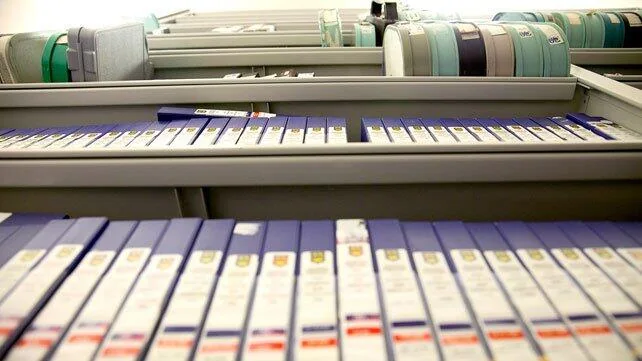
Two viewers can be looking at different versions of the same match. A disc pressed from a prepared master preserves the edit on that disc. A later streaming cut may have been made from a different source or prepared for a shorter running time. WWE’s 2013 look at its library describes how staff pulled footage for individual projects and worked with tapes across several formats. Checking the edition tells you more about what you are seeing than relying on the year written on the match card alone.
How to check the version of an archived match
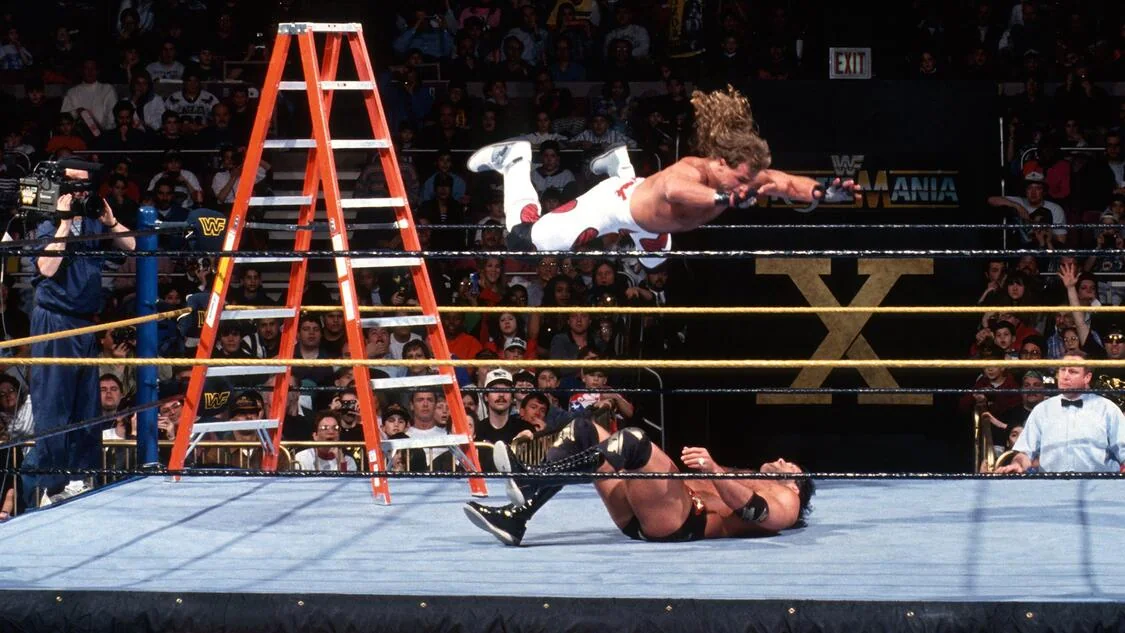
Start with a match date and both wrestlers’ names. For Triple H versus Cactus Jack at Royal Rumble 2000, WWE Vault lists a full Street Fight uploaded on January 23, 2025. WWE’s site also lists a clip of the thumbtack spot from that match. For WrestleMania X, WWE Vault’s account of the Razor Ramon and Shawn Michaels feud packages material from before the 1994 ladder match as part of a longer story. Those labels tell you which kind of edit you are opening and where to look for a particular shot.
To compare copies, pick the same entrance, ring introduction or camera angle. Match the moment in each release even if player timestamps differ, and check the corner graphic and commentary separately. If one version is a highlights package, a missing shot can simply be a choice about running time. Use the official event results to confirm the event, then follow the WWE viewing guide to check current legal viewing options. Keep the original event date and the edition or upload date in your notes if you want to find the same cut again.
Join the discussion
Comments