
WWE Stands for World Wrestling Entertainment
WWE stands for World Wrestling Entertainment. Those are the words behind the familiar three-letter name of the professional wrestling organization. WWE is the brand you see on its shows, event advertising and merchandise. If you only need the acronym expansion, World Wrestling Entertainment is the answer; the historical context explains why older wrestling footage often says WWF instead.
The letters identify an organization, not the entire activity of professional wrestling. Saying you watch WWE tells someone which promotion's programming you follow. It does not mean every wrestling event belongs to WWE. Likewise, the words Raw, SmackDown, NXT and WrestleMania identify particular programs or events within WWE's presentation rather than alternate expansions of the initials.
It helps to keep three levels distinct. WWE is the overall brand. A weekly television show gives you a recurring place to follow wrestlers and stories. A named event gives you a particular card on a particular date. A search for WWE can lead to any of those levels, which is why a new viewer may find a schedule, a championship result and a merchandise page that all use the same initials but answer different questions.
The historical expansion also remains useful even though WWE generally promotes itself through the short brand name. In its April 2011 branding announcement, the company described formally rebranding as WWE to reflect a wider range of entertainment offerings. That announcement did not mean the letters had first appeared in 2011. It was a later emphasis on a brand already introduced through the earlier name change.
Corporate ownership is a separate issue from what the letters mean. The current TKO business portfolio includes WWE and UFC as distinct properties. Sharing a corporate group does not make WWE a UFC event, and TKO is not another spelling of World Wrestling Entertainment. For ordinary viewing, you usually need the event or show name rather than a detailed explanation of the corporate structure.
Historical releases can use older company suffixes, executives, television channels or stock-market descriptions. Read those details as statements from the time they were published. The central acronym answer is stable, but a 2002 announcement should not be used as a current guide to where a 2026 show airs. The same care applies when an old program identifies itself with the WWF name.
Pronounce the name as its three letters, and use the complete expansion when someone asks what they stand for. If the next question concerns WWF, the key distinction is a historical name change involving the same wrestling organization. If the next question concerns Raw or SmackDown, you have moved from the brand name to its programming. Those two follow-up questions need different explanations.
How WWWF and WWF Became WWE
WWE's earlier names explain the initials on old broadcasts and championship graphics. They also show why a name-history question is different from asking when a particular television show started. The wrestling organization existed before the WWE initials were adopted. Its history includes the World Wide Wrestling Federation, the World Wrestling Federation and the later World Wrestling Entertainment name.
The Earlier Wrestling Names
WWWF stood for World Wide Wrestling Federation. WWE's Toots Mondt biography connects that 1963 name with the preceding Capitol Wrestling Corporation. WWF stood for World Wrestling Federation, dropping the extra Wide. The company's March history retrospective places that shortening in March 1979.
Those expansions are helpful when reading archives. A match from the 1970s may use WWWF, while a 1980s or 1990s broadcast may use WWF. A modern archive can still describe those events as part of WWE history because it is presenting the earlier history of the same organization. The current name on the website does not mean the original broadcast used it.
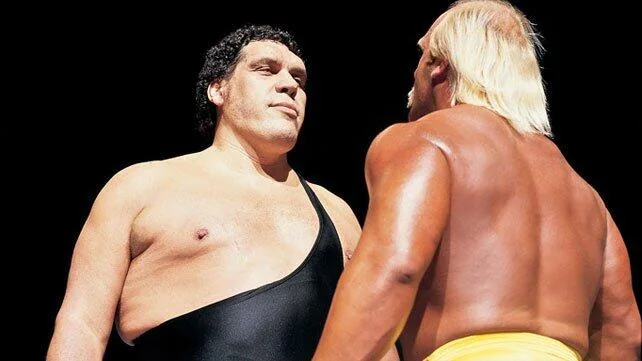
Keep the company's name separate from a title's name. Historical belts and announcers can use older wording, while the championship record continues through later branding. Likewise, an archival wrestler biography may use a current label for a championship won decades earlier. Neither usage requires a new company to have been created at each name change. If you need the precise historical wording, check the event date and contemporary footage alongside the later retrospective.
The May 2002 Name Change
On May 6, 2002, the company announced that it was changing its name to World Wrestling Entertainment. The contemporaneous corporate release connected the decision with a United Kingdom court dispute involving the wildlife organization that also used WWF. The release described restrictions on the wrestling company's scratch logo and the initials in specified circumstances. That is the company's account of the legal trigger, rather than a complete legal history of every dispute between the organizations.
The same announcement also emphasized the entertainment aspect of its business. It presented the new name as supporting a broader global identity, including media and merchandise activities. Both points belong in the explanation: the dispute affected the old branding, and the company used the transition to emphasize Entertainment. Reducing the change to a purely creative decision would omit the legal context stated in its own announcement.
The wildlife organization and the wrestling company were separate organizations sharing initials. The conservation group did not turn into WWE, buy the wrestling roster or become a wrestling show. The conflict concerned the use of a name and associated branding. For a viewer encountering the story for the first time, keeping the two organizations distinct removes a common source of confusion.
Administrative changes did not all occur on the same day. A later June 2002 announcement said the WWE stock ticker would take effect July 1. The original May release also anticipated a transition period for the name and logo. An old document retaining earlier wording therefore needs to be read in its publication context rather than treated as proof that the announced change never happened.
The practical timeline is straightforward: WWWF was the earlier expanded wrestling name, WWF was its shorter successor, and WWE was announced in May 2002. The 2011 decision to emphasize the WWE brand came later. Use those dates to identify the period of an archive clip without confusing the organization, a television program and a corporate branding campaign.
What Entertainment Means in Professional Wrestling
The final word in World Wrestling Entertainment describes how the product works. WWE presents professional wrestling through continuing stories: characters pursue championships, friendships break down, opponents build rivalries and matches move those stories forward. A show combines the action in the ring with entrances, commentary, interviews and scenes outside it. Understanding that structure explains why a conversation before a match can matter to the next week's episode.
WWE describes this combination in its 2018 annual report, which discusses a creative team developing characters and ongoing narratives with physical and emotional elements. That is a useful description of the format, rather than a current guide to its distribution platforms. A newcomer does not need to know every production term to follow it. Start with the character's goal, the obstacle and what the match changes.
The entertainment label also helps explain the audience's role. Fans can enjoy a villain's performance while wanting that character to lose. A dramatic entrance, a surprising return or a well-timed crowd reaction can be part of the attraction alongside a wrestling sequence. Enjoying those elements does not require treating every interview as a statement about the performer's private life. The person and the televised persona can overlap without being identical.
Storylines, Results and the Physical Performance
Professional wrestling uses planned outcomes and produced storylines. A championship change is an event inside that presentation, rather than evidence of an unscripted sporting competition. Yet describing it only as fake misses the physical work that viewers actually watch. Performers still have to execute movements, coordinate timing, react to the room and sustain a performance in front of an audience. Those demands do not disappear because the story has a planned direction.
WWE's report from a professional tryout describes preparation and demanding drills. Its professional-performance announcement also makes clear that training does not eliminate physical risk. These are reasons to separate the athletic performance from the narrative outcome. They are not permission to diagnose an injury from a short clip or assume that a dramatic attack reflects an actual dispute between the people involved.
Results still matter to viewers. They tell you who advanced in a tournament, who retained a title and which rivalry changed direction. If you missed an episode, the result provides the next chapter's starting point. Our WWE results page can help with that on-screen sequence, while an off-screen report should identify its own evidence and source.
For example, a character claiming to be the greatest champion is making a statement within the show. A title-history page records recognized reigns. A report about a performer's contract concerns a separate business matter. Keeping those three kinds of information distinct makes WWE easier to follow and makes discussions about it more precise. The acronym tells you the company's name; context tells you what kind of claim you are reading.
How to Read WWE Show Names as a New Viewer
Once you know the expansion, the next useful distinction is between WWE and the titles of its programs. WWE is the umbrella name. Raw, SmackDown and NXT identify different weekly shows. WrestleMania identifies a major event. An article about WWE might concern any of them, so a headline becomes much easier to understand when you look for the show name and episode or event date.
Consider a search result that says a wrestler appeared on Raw. That tells you where the televised appearance happened, but it does not automatically tell you which championship was involved or whether the segment was a match. A results page supplies those details. Likewise, a WrestleMania highlight can come from a much earlier year. Reading its number or date prevents you from confusing a classic moment with this week's developments.
Raw, SmackDown and NXT
The official Raw, SmackDown and NXT hubs provide separate collections of results and highlights. These program names are not additional expansions of WWE. They organize the television product into recognizable settings, with their own episodes and developing stories. A performer can appear across shows, but you should use the dated episode to establish what happened.
Program history also runs across company-name changes. WWE's Raw retrospective dates the first episode to January 11, 1993, during the WWF era. An old Raw broadcast with WWF branding is therefore consistent with the chronology. The show did not begin when the WWE initials arrived in 2002. Looking at the company's name alone would miss that continuity.
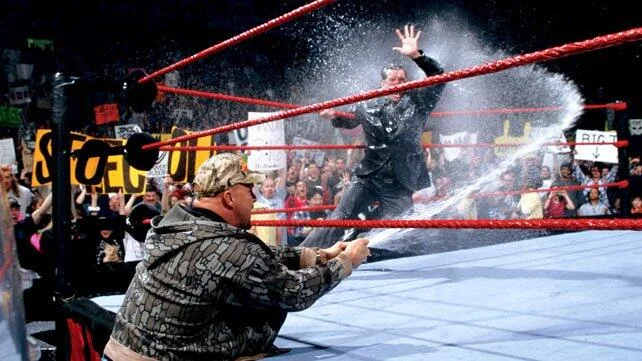
For a first week of viewing, choosing one show makes the cast and rivalries easier to learn. Note the champions, the immediate challengers and any announced match for the next episode. You can add another show when a story or performer interests you. There is no requirement to study decades of results before enjoying a current episode, although an occasional historical recap can explain a reference.
Choose a Show and Follow Its Context
Start with a dated listing in our upcoming WWE schedule. Check the local start time and whether the listing is a weekly episode or a special event. Then use the viewing guide for the relevant territory. The official WWE viewing page separates United States services from international arrangements; one subscription should not be assumed to carry every program everywhere.
If you are starting halfway through a rivalry, read the latest episode recap before watching the next one. Look for who challenged whom, what is at stake and any agreed match conditions. A championship match and a non-title match can feature the same people while having different consequences. A short highlight may show the ending without the setup, so the full recap often provides the missing explanation.
When searching an archive, include the year as well as the show name. That small detail helps separate original WWF-era footage, later anniversary packages and current results. If a page describes a broadcast channel, check its publication date too: the name of the wrestling program can stay familiar while its distributor changes.
Next, follow the weekly story toward a premium live event using our premium live event schedule. That gives the ongoing episodes a destination without turning viewing into homework. You now have the essential vocabulary: World Wrestling Entertainment is the name behind WWE; WWF and WWWF belong to earlier periods; Raw, SmackDown and NXT are show brands. Choose the next episode that interests you and use its date, results and regional viewing information to follow what happens.
Join the discussion
Comments