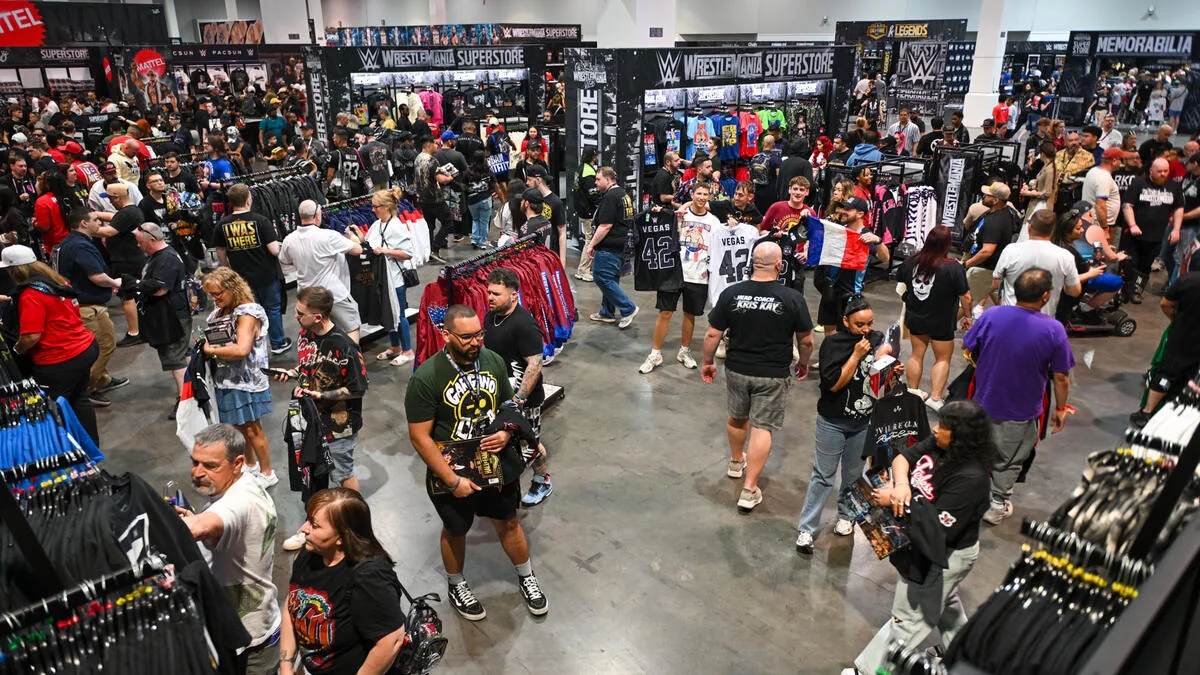
You can buy licensed WWE merchandise on Amazon, but you need to check the exact product and seller before ordering. This guide explains how to evaluate shirts, figures and championship belts without assuming every WWE-branded listing is official. It covers offer identity, delivered cost, timing and returns, with product examples used as comparison references rather than promises of current Amazon inventory.
Updated October 13, 2026. Seller offers, prices, stock and delivery estimates can change; read the live details for your selected item and address.
Can you buy official WWE merchandise on Amazon?
Yes, Amazon is a channel for licensed WWE merchandise, but a WWE search result is not a blanket guarantee of an official product or an official seller. WWE names Amazon in its consumer-products distribution network. That answers the broad question about whether legitimate merchandise can be sold there. Your actual buying decision still concerns a particular shirt, figure or belt offered by a particular merchant.
Start with a product you can identify rather than a shopping grid you like. A recognizable manufacturer, a specific series or design, clear licensing language and consistent photographs give you something to compare. If the product description changes from “replica championship” to “costume accessory” halfway down the page, resolve that difference before paying. The platform name cannot settle what the package will contain.
Licensed merchandise does not mean every seller is official
“Licensed” describes permission to use WWE intellectual property for a product. “Sold by” identifies the merchant taking your order. “Ships from” identifies fulfillment. Those statements concern different parts of the purchase. A licensed figure sold by an independent retailer can be legitimate without making that retailer WWE Shop. Conversely, a seller can put familiar lettering in a storefront name without establishing a direct relationship with WWE.
There is a concrete reason to keep those distinctions. In its August 30, 2022 announcement, WWE described joint lawsuits with Amazon concerning counterfeit championship belts. This historical enforcement action supports careful shopping; it does not tell us which seller is reliable today or suggest that every discounted belt is counterfeit. Evaluate the evidence attached to the current offer rather than treating either optimism or suspicion as proof.
For a fan buying a birthday gift, that means choosing an item whose identity can be explained in one sentence: a named manufacturer's specified WWE figure, or a licensed shirt with a stated fabric and cut. “It looked official in search” is a weak replacement. If the evidence is incomplete, comparing the same product with WWE Shop and its regional stores gives you a useful reference point. It also helps you recognize when two listings describe different merchandise rather than a cheaper and more expensive version of the same thing.
Read the seller and fulfillment details before buying
The most useful information is near the purchase controls, where the page identifies the current merchant and shipping source. Amazon's third-party ordering guide explains that independent merchants can sell their own new, used or refurbished inventory. Reading that part of the page takes less time than sorting through contradictory fan comments about whether “Amazon WWE Shop” is legitimate.
What Sold by and Ships from actually tell you
If both fields name Amazon, Amazon is the seller and fulfiller of that offer. If Sold by names another business while Ships from names Amazon, the business remains the seller and Amazon handles fulfillment. If both identify the independent merchant, that merchant ships the purchase. Shipping through Amazon does not establish who licensed the artwork or manufactured the belt. Look elsewhere in the description and packaging information for those details.
This distinction also helps when something goes wrong. A seller-shipped parcel raises different contact questions from an Amazon-shipped parcel. Before ordering an expensive collectible, open the seller's information and the offer's return terms. You want a clear identity and a usable contact route, not merely a string of reassuring words in the product title. A low price with an unexplained manufacturer should prompt more investigation rather than an immediate purchase.
Check the selected offer again after changing size or color
Make the final check after you choose the variation you intend to buy. A black adult large and a red youth large are different purchases even if they sit under one familiar wrestler graphic. Check size, color, condition, quantity, seller, fulfillment and estimated arrival for the active selection. Other available offers may have different prices or conditions; a cheaper used collectible is not the same proposal as a new boxed figure intended as a gift.
Imagine searching for a John Cena shirt, reading one offer, then changing from a men's medium to a youth size. The useful question is whether the selected youth garment still has the same manufacturer, specification and return eligibility you expected. Do not assume that the first information you saw answers the later purchase. The same habit catches a belt offered as “accessory only,” a figure without its original box, or an item whose quantity is a single piece rather than the pictured set.
Keep an order record that identifies the exact variation and merchant. That makes a discrepancy easier to explain: “I ordered this series, in new condition, from this seller,” rather than “the picture was different.” If you need a particular performer's design, our Roman Reigns merchandise guide can help distinguish character-era artwork before you compare marketplace offers. Product identity comes first; retailer convenience comes after it.
Compare WWE shirts by the garment, not the graphic
A familiar logo makes a shirt recognizable; it does not describe its shape, weight or decoration. Before comparing prices, build a short specification: manufacturer, design name, adult or youth range, fit wording, fiber content, front and back graphics, and care instructions. If either offer omits most of those details, you cannot confidently call the two items equivalent.
Official product pages show why those fields matter. WWE Shop lists its Trick Williams Whoop boxy shirt, product 204099146, as WWE Authentic, 100% cotton and roomy through the chest, shoulders and body. Its Ripple Junction New Generation collage shirt, product 203352748, also uses cotton but specifies screen-printed front and back graphics. Those are examples from WWE Shop, not a promise that Amazon currently stocks either exact item.
Use the example to compare offers properly. A small front-only portrait tee is not interchangeable with a large front-and-back print, even when both feature the same Superstar. A standard garment and a boxy garment will not create the same silhouette in the same letter size. Likewise, a distressed graphic can be printed on a new shirt; it does not establish that the garment was produced during the wrestler's original run.
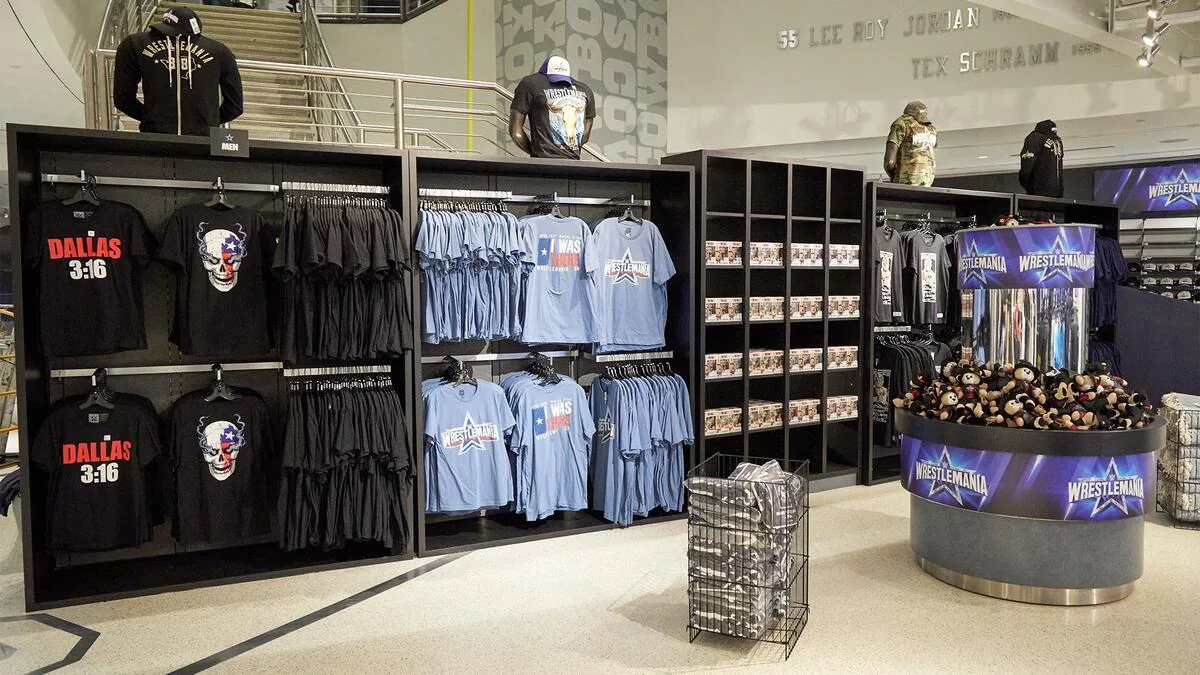
For sizing, use the chart attached to the exact item and compare its measurement method with a shirt the recipient already likes. A body-chest measurement is different from a flat garment width. Do not double one number or add allowance unless the chart tells you what it measures. Youth large also should not be treated as a substitute for adult small solely because the graphic looks identical.
For a gift, verify the favorite character era before choosing the design. Someone asking for an Austin 3:16 tee may not want a portrait collage; a Roman Reigns fan may distinguish a particular catchphrase from earlier merchandise. Once that preference is clear, the practical choice is the garment that fits and has an understandable return route. If a listing supplies only a digitally arranged image and no usable specification, ask for details or choose a clearer offer. Saving a few dollars is less useful than buying a shirt the fan will actually wear.
Use product identifiers for figures and championship belts
Collectibles reward more precise searching than “WWE toys.” Decide whether you want a particular figure release, a role-play accessory or a display belt, then use the manufacturer's product identifier to compare listings. Two boxes showing the same wrestler can contain different sculpts, gear and accessories. Two belts representing the same championship can differ in construction, dimensions and intended use.
Match the figure series and packaging
Mattel and WWE announced a licensing renewal in April 2025, making Mattel a useful manufacturer reference. Its Cody Rhodes Ultimate Edition product JHV89 describes a six-inch figure with interchangeable heads and hands, entrance gear and more than 30 articulation points. The page lists ages eight and older. Those details identify that release; they should not be generalized to every Cody figure or every WWE toy.
A collector may care about unopened packaging, a specific release and complete accessories. A child who wants to stage matches may prioritize age guidance and a usable play figure. Ask which need you are meeting before comparing an open-box offer with a new sealed one. If a pictured championship or extra hand is absent from the stated contents, seek clarification rather than assuming the photograph overrides the description.
Separate toy, commemorative and replica belts
WWE Shop lists toy, commemorative and replica title products as distinct merchandise. The word “belt” does not tell you the plate material, strap construction or weight. As one concrete reference, the WWE Championship Spinner replica, product 4877722, specifies zinc-alloy plates, a polyurethane strap and a weight of approximately 7.05 pounds. That is a substantial display purchase, not an interchangeable substitute for a lightweight children's accessory.
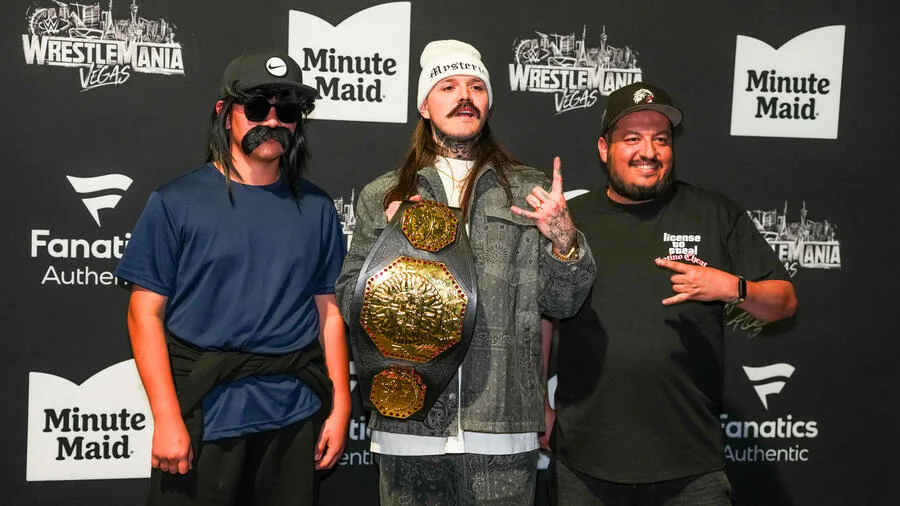
Compare measurements and components against the exact official model you want. Do not assume every commemorative belt shares one material or that an item described as “replica” matches WWE Shop construction. A side-plate set, display stand or carrying bag may appear in related results without including the full belt. Read the package contents and determine whether customization is compatible with your model.
For high-value merchandise, ask for clear photographs of the offered item, packaging and manufacturer information when the listing leaves doubts. The useful standard is a consistent product identity, not a persuasive paragraph of championship history. A seller explaining that Roman Reigns held a title tells you little about the materials of the object being offered. Choose the product first, establish its identity second, then decide whether the particular Amazon offer meets your condition and delivery requirements.
Compare the delivered price and your actual deadline
The comparison that matters is the total for the correct item delivered to your address. Include the item price, any shipping charge, tax shown at checkout and any import charges identified for an international order. Then compare that total with the other retailer's equivalent offer. A sale banner or a percentage reduction tells you less than the final amount for the garment size or collectible condition you actually want.
For illustration, a $25 shirt with $8 shipping costs $33 before tax, while a $30 equivalent shirt with included shipping costs $30 before tax. Those are invented arithmetic examples, not current WWE prices. They show why sorting by the first displayed number can produce the wrong choice. The same principle applies when buying two items: a combined shipment may change the total, but adding unwanted merchandise merely to chase a threshold can increase what you spend.
Prime convenience is only one part of the order
Amazon's Prime delivery guidance ties benefits to eligible items and destinations. Set the correct address, read the checkout estimate and check any ordering cutoff. Prime membership alone does not tell you that a specific WWE shirt will arrive tomorrow, and it does not establish that the selected seller is WWE. A useful shipping option still needs an identifiable product and acceptable order terms.
When comparing Amazon with WWE Shop, distinguish processing from transit. WWE Shop's domestic shipping explanation says expedited shipping does not accelerate item availability. The practical question is arrival at your address, not simply how fast a parcel travels after dispatch. A made-to-order or delayed item can miss a show even when a fast delivery service is selected.
Work backward from your actual deadline. If you are leaving for Raw on Friday, receiving the parcel on Friday evening may already be too late. Allow time to try on clothing, check the print and resolve a wrong item. For a child's gift, leave time to inspect the box and confirm that the intended figure, accessories and age guidance match the purchase. A delivery estimate is useful planning information, not a reason to eliminate that buffer.
Confirm the event date on the upcoming WWE schedule before treating merchandise as a last-minute necessity. If the right item cannot arrive comfortably before departure, choose a local alternative or a later gift presentation. Buying an unclear substitute under deadline pressure is how a simple shirt order turns into a complicated return.
Keep a clear return route and inspect the package
Read return eligibility before purchasing, especially for collectibles, personalized merchandise or an offer described as used. Do not transfer WWE Shop terms to Amazon, or one Amazon merchant's conditions to another offer. Amazon's third-party returns guide explains that items shipped from a merchant's own inventory are returned to that merchant. The order's actual instructions determine how you should proceed.
When the parcel arrives, compare the package with your order record before washing clothing, removing tags or discarding accessories. Check the shirt's size, manufacturer information and graphic placement. For a figure, compare the release, included components and stated condition. For a belt, inspect the model, construction and any components promised in the offer. Packaging wear and product damage are different issues; describe the problem precisely rather than calling every imperfect box a counterfeit.
If something is wrong, keep photographs of the discrepancy and the packaging that identifies the item. A shirt labeled youth medium when you ordered adult medium is an easy mismatch to document. Missing figure accessories or an accessory-only shipment also benefit from a clear photograph and the original contents description. Avoid altering the product in an attempt to fix a problem before you know whether a return or replacement is available.
Use the route attached to the purchase. Amazon's return instructions start with the item in Your Orders, the reason and the offered return method. Keep the appropriate authorization and tracking evidence. Do not combine unrelated returns merely because one box has space, and do not send the package to an address found through a separate search rather than the authorized instructions.
For a gift, keep the receipt or gift-return information with the purchase record. The recipient should not have to guess which merchant sold a garment or whether the figure was intended to arrive without its box. That small preparation matters more than a gift note promising “official WWE gear” when the seller identity was never established.
The practical Amazon buying sequence is straightforward: identify the licensed product, check the selected seller and shipping source, match its specifications, compare the full cost and deadline, then preserve a usable return route. A clear offer can be convenient. An unclear one does not become a better purchase because the logo is familiar, delivery is fast or the search title says official. Take the extra minute before checkout so the item you receive matches the WWE merchandise you meant to buy.
Join the discussion
Comments