Start With the Belt You Want to Own
Before buying a WWE championship belt, decide which design you want and what you intend to do with it. A wearable collectible, a cabinet centerpiece and a small desk souvenir solve different problems. The right purchase can be an older design associated with your favorite era rather than the most recent championship shown on television. Begin with those preferences before comparing a sale price.
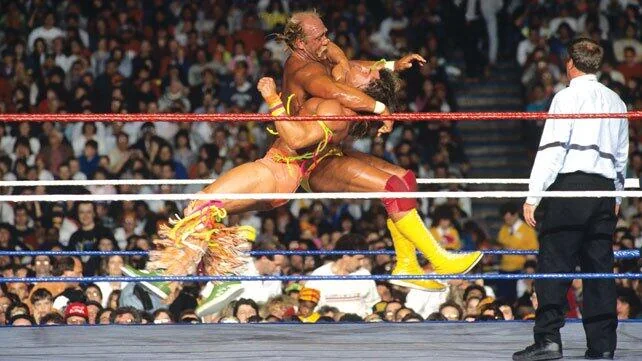
Championship identity and merchandise identity are related, but distinct. WWE's official WWE Championship history follows recognized champions and their reigns. The WWE Shop title-belt catalog offers physical interpretations of contemporary, historical and themed designs. A single championship can have several visual versions across its history, and the shop can sell those versions at the same time.
If you remember a belt from a match, identify its distinctive features. The center emblem, plate outline, strap color and secondary decoration are more precise clues than a search for world champion belt. Compare the actual product photographs with that memory. A listing's wrestler name can identify a signature edition rather than the standard version the performer carried during a particular reign. Record the product ID when a design matches your request.
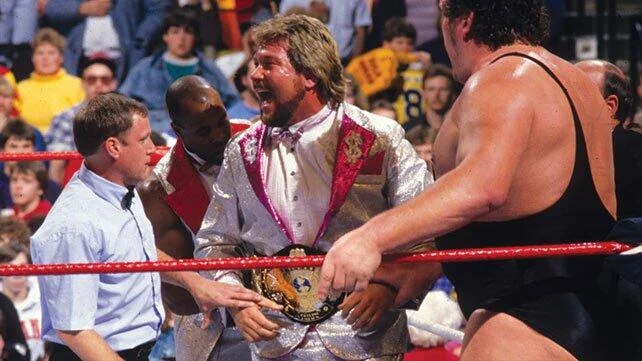
A replica bought from a retailer is merchandise, even when it is officially licensed. That description does not make the individual item ring-used. An event photograph establishes how a championship looked on screen; it does not establish the origin of a retail object offered for sale. If a seller charges extra for a claim about screen use, the evidence needs to concern that object, not merely the famous design it resembles.
For a gift, prioritize the recipient's attachment to the design. Someone who watches historical matches may prefer the belt associated with that period. A newer fan might want a recognizable present-day championship without a performer-specific modification. If you cannot ask directly, look at the recipient's existing collection and whether they normally display, wear or collect compact versions. Bigger is a format choice rather than an automatic improvement.
Build a short written wishlist with the exact design, intended format and purpose. Add the spending ceiling after those essentials. That allows you to compare two similar models fairly and decline an appealing price on the wrong object. You are choosing a collectible to enjoy, so the goal is a clear match between the product and your plan, not a prediction about its future resale value.
Replica, Commemorative and Mini Belts
Replica, commemorative and mini describe retail formats, but they do not replace the detail panel. Your comparison should separate visual design, construction and scale. Two items can reproduce the same championship while using different plate materials; another can use metal plates in a much smaller format. Decide which characteristics matter to you before calling one version better than another.
Read the Materials, Not Just the Product Name
The Undisputed WWE Championship replica checked on October 13, 2026 lists zinc-alloy plates and a polyurethane strap. The commemorative model identifies plastic plates and a polyurethane strap. Both listings identify officially licensed merchandise. The construction difference is clear without claiming that one format is legitimate and the other unauthorized.
Read each component independently. Plate material does not identify strap material, and the word replica does not guarantee genuine leather. Decorative stones, backing and fasteners can also affect your preferences. A collector who mainly wants a recognizable display may weigh these features differently from someone seeking a substantial object to carry. Those are personal priorities; neither can be resolved by a broad authentic label.
A practical comparison records the center and side plates, strap, weight and included accessories in separate lines. That lets you see what the additional cost buys. It also helps when a seller uses several format terms in the same title. If the description never identifies the material you care about, ask before buying rather than filling the gap with a photograph-based guess.
Match the Format to the Recipient
Miniature does not automatically mean toy. The Spinner mini replica lists zinc-alloy plates and a center plate approximately 2.5 by 2.75 inches. It offers a reduced collectible format, rather than a substitute for an adult wearable belt. A child's play product should be chosen using its own age and intended-use labeling, not simply because a collectible is small.
For a compact office display, check which details remain visible at normal viewing distance. For wearing, the fit and weight will matter more than shelf space. For a gift, establish whether the recipient wants a specific design or a particular collecting format. A full-size object can be an inconvenient upgrade when their collection is intentionally miniature.
Finish this stage with a format choice supported by actual specifications. You can then compare prices within that choice, instead of letting a cheaper small item appear equivalent to a full-size model. The goal is a purchase suited to its owner, not a universal ranking of every belt series.
Check Dimensions, Side Plates and Included Accessories
Compare the full arrangement you want, not only the belt's central image. A carrying bag, a performer plate set and a stand may be included, optional or shown only for illustration. The detail panel should identify what arrives in the parcel. If you expect a display-ready purchase, check the accessory list before choosing a price that excludes the support you need.
Interchangeable side plates are a model-specific feature. The checked United States Championship replica says that side plates fitting the WWE Championship and Universal Championship titles also fit that listed model. That is useful compatibility evidence for this product. It should not be extended automatically to commemorative belts, miniatures, older designs or every title in the catalog.
Read the accessory's description as well as the belt's specification. Match the intended championship model and verify which plates and fasteners are supplied. A boxed performer set can be a separate collectible even when it is not suitable for the belt you own. If the exact version is not mentioned clearly, request confirmation from the retailer before adding it to the order.
Measure the Wearing and Display Space
Overall strap length is different from closed wearable fit. The checked United States replica gives a strap of approximately 51.75 by 11.25 inches, while separately stating suitability for waist sizes up to 34 inches. The closure overlap and product shape matter. Use the stated fit information instead of assuming the entire strap length represents the largest possible waist. If a measurement appears unsuitable or unclear, resolve it before a non-returnable purchase.
Measure the circumference where you plan to wear the belt, including the clothing underneath. A loose shoulder carry has different practical demands from fastening it at the waist. Weight matters in both cases: this particular United States replica lists approximately 7.72 pounds. That is a product example, not a standard for all full-size belts. Consider how long you expect to carry it and whether the recipient wants that substantial format.
For display, account for the assembled support rather than the belt alone. The checked acrylic display stand lists an approximate 19.375-by-10-inch base and a height of approximately 13 inches. Its description explicitly excludes memorabilia. The pictured belt is therefore not part of that stand purchase, and the cabinet must accommodate the complete arrangement.
Make a simple measured plan: where the support sits, how much width and height remain, and where you will store the bag or box. Avoid placing an expensive collectible on an unsuitable surface just because the plate fits visually. The final check should cover both the object and how it will be used. That turns dimensions from small print into information that can prevent an otherwise avoidable mistake.
Evaluate the Seller and the Delivered Cost
A clear model choice still needs a clear purchase route. Compare the particular item's condition, included parts and delivered price. A lower headline price may describe a used belt without its original accessories or a modified model rather than the product you researched. Those can be reasonable purchases, but they should be compared on their actual terms.
Official Listings and Secondhand Evidence
Official retail listings provide a useful baseline for model identity and licensed construction. Secondhand listings require additional attention to the individual object. Request photographs of both faces, fastening points, the strap and any visible wear. Ask for images of the actual item rather than relying exclusively on promotional pictures. If an accessory is important, make sure it is identified as included and shown clearly.
Check whether the owner changed the strap, side plates or decorations. The original product specification may remain relevant to unmodified components while no longer describing the whole belt. A purchase receipt can support retail provenance, but it does not certify every later alteration. Likewise, a claim that an item was ring-used requires documentation connecting that particular object with its claimed use. Recognizing the championship design is not that connection.
Do not assume a marketplace authenticates every collectible automatically. eBay's buyer explanation describes specific eligible categories and listings. Check whether the exact purchase qualifies and what is covered. A seller's strong feedback can help you assess transactions without proving a special claim about a belt or autograph.
When a seller asks a premium, identify the reason and the evidence for it. A documented signature, an original accessory set and an undocumented rarity claim are different propositions. If you only want the design for personal display, you may not need the additional feature at all. There is no reason to pay for an uncertain story that does not serve your collecting plan.
Shipping, Returns and Customization
The WWE Shop shipping information separates order processing from delivery. Dispatch within a stated number of business days does not mean arrival within that period. Preorders and special products also need their own estimate. If you are buying for an event, use your actual departure date as the deadline and compare it with the destination-specific arrival information.
Read the return policy alongside the individual product page. Final-sale, non-returnable and personalized items have exclusions, so a general policy headline does not guarantee a change-of-mind return for your belt. Confirm the restriction before ordering, especially if you are unsure about fit or plan to customize the product.
Calculate the total with desired side plates, support accessories, delivery and applicable destination charges. Review any promotional exclusions in the cart. An international order should state how relevant taxes or duties are handled; do not assume the catalog price includes every cost. Save the confirmation and item details so you can later discuss a discrepancy against the specific order, rather than a remembered advertisement.
Inspect, Display and Keep Your Belt
Your first step after delivery is an inspection against the saved order. Check the design and format, then account for the listed accessories. Examine the strap, plate surfaces, decorative parts and fastening points before replacing anything. A quick check while the packaging remains available makes an incorrect item or damaged component easier to document and explain.
If something differs from the order, take clear photographs and contact the retailer through its support process. Keep the product ID, confirmation and packaging information together. The WWE Shop policy distinguishes defective, damaged or wrong items from ordinary returns. A non-returnable product should therefore be discussed under the applicable problem procedure, rather than assumed to have the same terms as a change-of-mind request.
Choose the display location with the complete arrangement in mind. Set up a suitable support, check its instructions and confirm that it sits securely within the available space. A belt leaning attractively in an advertising image does not tell you how to support your object at home. Avoid a position where the plate or strap must hang unsupported simply to fit a narrow shelf.
Use care information for the exact model. A listing that says surface washable does not establish that every belt can be immersed or treated with the same cleaner. Different finishes, straps and decorative components can require different handling. If the product page leaves care unclear, ask the seller or manufacturer before using a treatment. A modified strap also needs guidance suited to its actual material, rather than the original specification.
A supplied carrying bag can be useful for storage, but retain it because it belongs to the setup you bought, not because it proves special provenance. Keep paperwork separately where you can find it. The model identifier will help when comparing compatible accessories later. It also helps another collector understand what the object originally was if you eventually give it away or sell it.
Record changes you make. Replaced plates, a different strap or removed decoration can be part of an enjoyable personal project, but they should be disclosed when describing the belt afterward. Retain original parts when practical. This simple record keeps your display preference separate from claims about factory condition or event use, and prevents a future owner from having to infer the object's history.
If you plan to carry the belt to a show, check that event's current venue guidance before leaving. Our upcoming WWE schedule helps identify the event, while its venue instructions determine what you can bring. The fact that a collectible fits comfortably at home does not establish admission rules at every arena.
Return to your original plan before the next purchase: a design you recognize, a format you can use, confirmed accessories and a total you can afford. Resolve missing specifications with the retailer rather than guessing. That produces a collection based on objects you understand and enjoy, without relying on promised appreciation or a label that never answered the practical questions.
Join the discussion
Comments