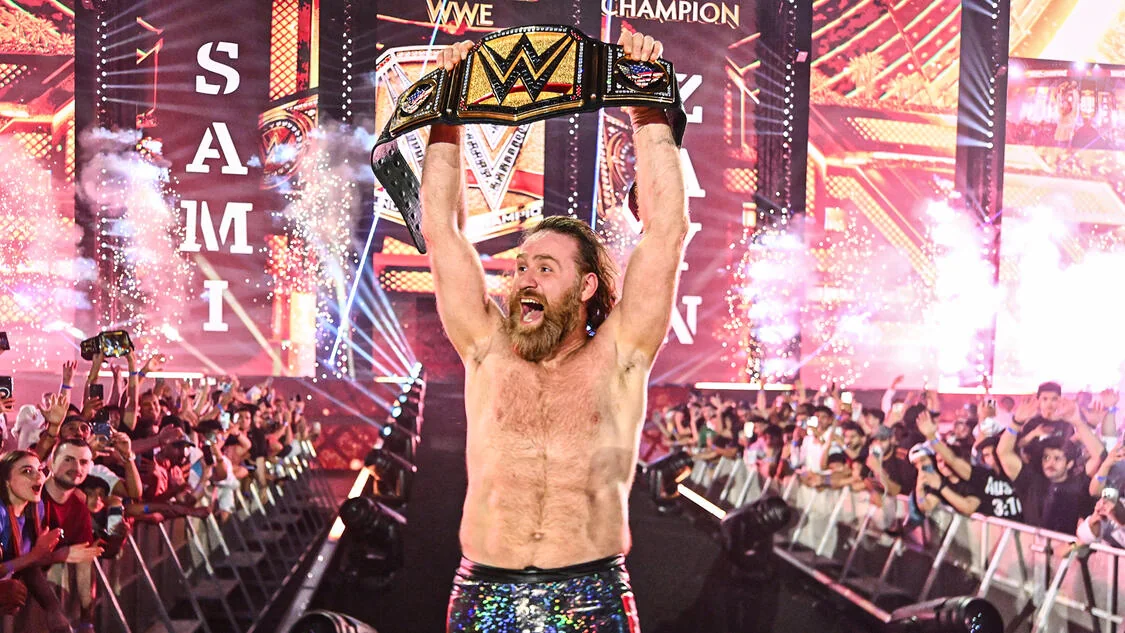
Every Recognized WWE Championship Holder in First-Win Order
This is the complete list of WWE-recognized WWE Championship holders ordered by each person's first recognized reign. It contains 56 different people through the October 13, 2026 review. Buddy Rogers begins the list in 1963, and Sami Zayn is its latest first-time addition in June 2026. The table covers the championship now presented as the Undisputed WWE Championship, including its earlier WWWF, WWF and WWE names. It does not combine every championship in WWE.
The order column counts people, not every individual reign. Hulk Hogan appears once, including his later Hollywood Hogan identity. A wrestler returning for a second or subsequent reign retains their original position in this table. For the detailed sequence of every title change, consult WWE's official championship history, which also supplies the recognized dates used here.
| Order | Champion | First recognized reign began |
|---|---|---|
| 1 | Buddy Rogers | Apr 25, 1963 |
| 2 | Bruno Sammartino | May 17, 1963 |
| 3 | Ivan Koloff | Jan 18, 1971 |
| 4 | Pedro Morales | Feb 8, 1971 |
| 5 | Stan Stasiak | Dec 1, 1973 |
| 6 | Superstar Billy Graham | Apr 30, 1977 |
| 7 | Bob Backlund | Feb 20, 1978 |
| 8 | The Iron Sheik | Dec 26, 1983 |
| 9 | Hulk Hogan | Jan 23, 1984 |
| 10 | Andre the Giant | Feb 5, 1988 |
| 11 | Randy Savage | Mar 27, 1988 |
| 12 | Ultimate Warrior | Apr 1, 1990 |
| 13 | Sgt. Slaughter | Jan 19, 1991 |
| 14 | Undertaker | Nov 27, 1991 |
| 15 | Ric Flair | Jan 19, 1992 |
| 16 | Bret Hart | Oct 12, 1992 |
| 17 | Yokozuna | Apr 4, 1993 |
| 18 | Diesel | Nov 26, 1994 |
| 19 | Shawn Michaels | Mar 31, 1996 |
| 20 | Sid | Nov 17, 1996 |
| 21 | "Stone Cold" Steve Austin | Mar 29, 1998 |
| 22 | Kane | Jun 28, 1998 |
| 23 | The Rock | Nov 15, 1998 |
| 24 | Mankind | Jan 4, 1999 |
| 25 | Triple H | Aug 23, 1999 |
| 26 | Mr. McMahon | Sep 16, 1999 |
| 27 | Big Show | Nov 14, 1999 |
| 28 | Kurt Angle | Oct 22, 2000 |
| 29 | Chris Jericho | Dec 9, 2001 |
| 30 | Brock Lesnar | Aug 25, 2002 |
| 31 | Eddie Guerrero | Feb 15, 2004 |
| 32 | JBL | Jun 27, 2004 |
| 33 | John Cena | Apr 3, 2005 |
| 34 | Edge | Jan 8, 2006 |
| 35 | Rob Van Dam | Jun 11, 2006 |
| 36 | Randy Orton | Oct 7, 2007 |
| 37 | Jeff Hardy | Dec 14, 2008 |
| 38 | Batista | Jun 7, 2009 |
| 39 | Sheamus | Dec 13, 2009 |
| 40 | The Miz | Nov 22, 2010 |
| 41 | CM Punk | Jul 17, 2011 |
| 42 | Rey Mysterio | Jul 25, 2011 |
| 43 | Alberto Del Rio | Aug 14, 2011 |
| 44 | Daniel Bryan | Aug 18, 2013 |
| 45 | Seth Rollins | Mar 29, 2015 |
| 46 | Roman Reigns | Nov 22, 2015 |
| 47 | Dean Ambrose | Jun 19, 2016 |
| 48 | AJ Styles | Sep 11, 2016 |
| 49 | Bray Wyatt | Feb 12, 2017 |
| 50 | Jinder Mahal | May 21, 2017 |
| 51 | Kofi Kingston | Apr 7, 2019 |
| 52 | Drew McIntyre | Apr 5, 2020 |
| 53 | Bobby Lashley | Mar 1, 2021 |
| 54 | Big E | Sep 13, 2021 |
| 55 | Cody Rhodes | Apr 7, 2024 |
| 56 | Sami Zayn | Jun 27, 2026 |
A first recognized reign date can be different from a wrestler's first world championship anywhere in wrestling. Ric Flair, for example, already had other world-title history before his WWE Championship entry. Likewise, someone winning another WWE belt before this one does not move their place in this list. The shared standard is the first recognized reign in this particular championship's record.
The list is chronological rather than a ranking of talent or popularity. A position near the top means that the wrestler entered the lineage earlier. It does not measure match quality, commercial importance or total championship success. Treat the table as a reference for identifying when a person joined the title's history, then use the match or event record for the circumstances of that individual win.
How to Read the Championship Order Correctly
A championship list can answer several different questions, and the numbers change when the question changes. The table above asks when each recognized person first held the WWE Championship. A reign-by-reign list instead asks who held it after every title change, including repeat winners. A current champions page asks who holds each active belt now. None of those lists can substitute for another without changing what the answer means.
Repeat Reigns Do Not Create New People
Bruno Sammartino's second reign did not make him a third different champion. He remains the second person in the unique-holder order because his first reign began in May 1963. The same principle applies to wrestlers with many separate reigns: their first entry determines their place in this table, while later victories add to their reign history. If you are researching who immediately preceded a particular reign, you need the full chronological reign sequence rather than the unique-holder table.
Names also need context. WWE's history lists Hulk Hogan for his earlier reigns and Hollywood Hogan for his April 2002 return to the championship. The Backlash 2002 results identify Hogan defeating Triple H, and his official biography connects his 1984 and 2002 championship career. Those are different presentations of the same wrestler. Counting each displayed name as a new person would introduce an extra holder who does not exist.
Another common mismatch involves combined world-title totals. WWE's 2025 Cena-Orton preview describes Cena's 17 world titles. That promotional career total is not the number of different people in this table, and it is not a instruction to add 17 Cena rows to this particular title history. When comparing records, state whether you mean one championship's reigns, several world championships together or unique champions. The label matters as much as the number.
Vacancies and Unrecognized Claims
A vacancy is a period without a recognized holder, not another wrestler. It can explain a gap between reign dates or why a tournament determines the next champion. In a complete reign chronology, a vacancy may need its own explanatory row. In a table of people, it has no position because there is no person to count. The same reasoning applies to a championship being relinquished without another wrestler immediately taking it.
Recognition also explains why some names found elsewhere are absent here. WWE's account of phantom title changes discusses Antonio Inoki's 1979 encounters with Bob Backlund and explicitly says Inoki's reign is not listed in WWE's record books. An alternative historical record can discuss those events in detail without using the same recognition standard as this table. The omission here is a statement about the table's scope.
Ted DiBiase is another important example. WWE's championship facts feature recounts Andre the Giant's attempted sale of the title to him after the February 1988 win. The storyline transfer did not put DiBiase into the recognized WWE Championship lineage. He should not be inserted as a first-time recognized holder merely because a historical image shows him carrying the belt.
When two lists disagree, compare their definitions before assuming one has forgotten a wrestler. Recognized versus unrecognized reigns, aliases, television dates and the inclusion of vacancies can all change a list's presentation. This guide consistently follows the official recognized holder record and states the review date so readers can reproduce its scope.
The Milestones Behind the Names
The complete table provides the order; selected matches explain why individual entries matter to viewers. A first championship reign can follow years of rivalry, introduce a new main-event figure or arrive through a sudden change at the end of a show. There is no single pattern connecting all 56 people. Reading several eras side by side helps you understand why the same championship can carry such different memories for different generations.
The Early Champions and the National Expansion
Buddy Rogers was the first recognized holder, but Bruno Sammartino established the early history's defining long reign. WWE's Sammartino retrospective records 2,803 consecutive days beginning with his May 17, 1963 victory and ending when Ivan Koloff defeated him in January 1971. Sammartino later became the first two-time champion. That second victory did not create another person in the list, but it added another substantial chapter to his championship history.
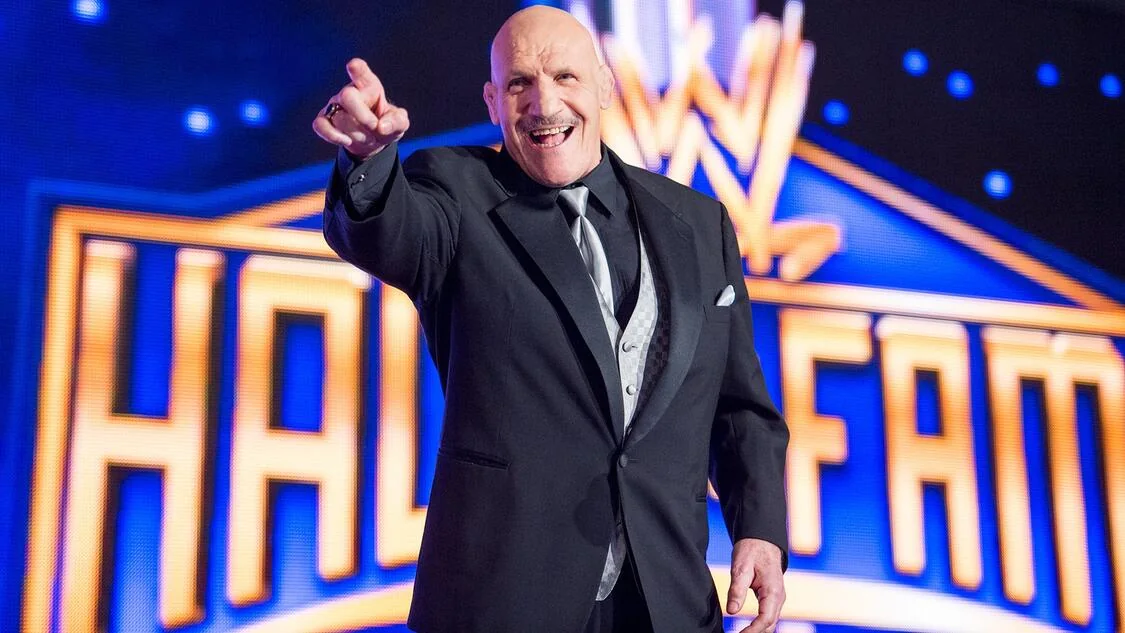
Pedro Morales, Stan Stasiak, Superstar Billy Graham and Bob Backlund enter the first-time order during the 1970s. Their positions alone cannot tell you which reign was longest or how many defenses each made. Stasiak's entry and Backlund's entry both count as one person, despite very different amounts of time as champion. That is why a duration question needs reign dates and a defined counting method in addition to a holder's name.
The Iron Sheik's December 1983 win was followed by Hulk Hogan's January 23, 1984 victory. In WWE's feature on that Madison Square Garden match, the result is presented as the beginning of Hulkamania. Hogan then became closely associated with WWE's expanding national presentation. For a new fan exploring the period, that title change is a useful starting event because it connects an entry in the table with a recognizable change in the company's main-event identity.
Andre the Giant and Randy Savage joined later in the 1980s, followed by Ultimate Warrior in 1990. Their first-title dates also show why a WrestleMania appearance and a first championship win are different milestones. A wrestler can headline or challenge at a major event before becoming champion, and an important win can occur away from WrestleMania. Match results provide the missing circumstances.
New Generations and New Ways to Win the Title
The 1990s added names such as Bret Hart, Shawn Michaels, Steve Austin, The Rock and Mankind, while later decades brought another succession of first-time holders. These entries represent different characters and match situations rather than one fixed route to the title. Winning a tournament, earning a regular title match and using a championship opportunity at an unexpected moment can each produce a new recognized reign.
Edge's January 2006 entry is a clear example of the unexpected route. The official New Year's Revolution result records him cashing in his Money in the Bank opportunity after John Cena had retained inside the Elimination Chamber. The timing is essential to the story: knowing only the date and new champion would not explain why viewers remember the change as a sudden shock.
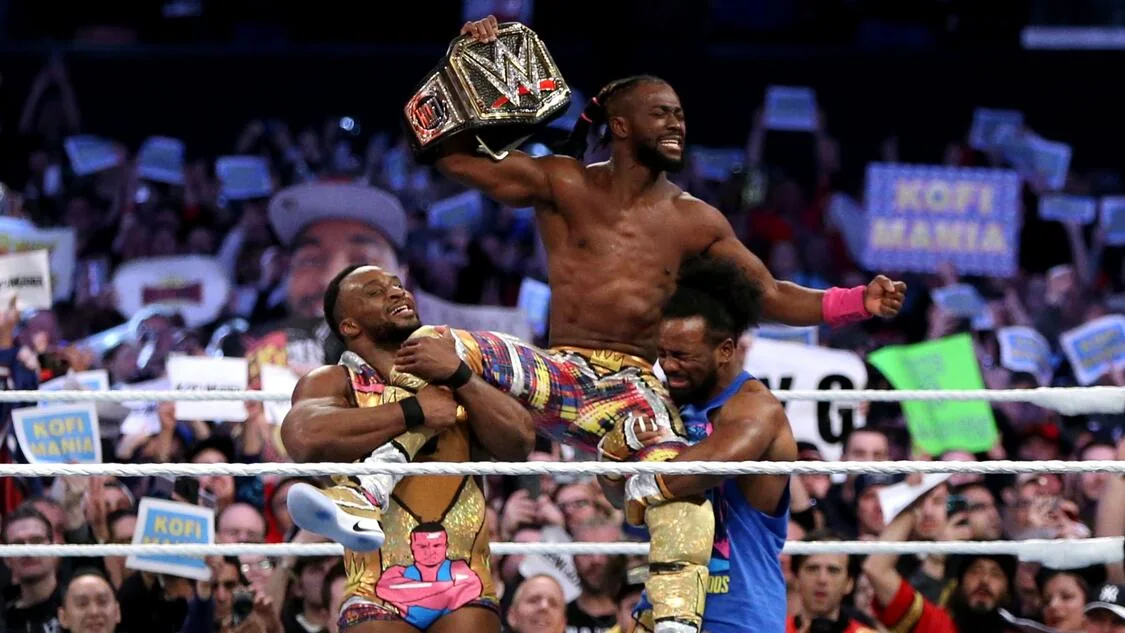
Kofi Kingston's first reign supplies a different kind of moment. WWE's WrestleMania 35 result records his victory over Daniel Bryan after Trouble in Paradise. The event report emphasizes the long wait before that achievement. In a history project, this is the point where a factual first-win date and the audience's emotional memory meet, while remaining distinct kinds of information.
You can use the same approach for any name in the table. Locate the first recognized date, find the event result and learn what the match required. That is a more reliable introduction to a champion's history than assuming the first WWE Championship reign was their first major achievement in wrestling or that every championship victory had the same significance.
The Current Champion and Your Next History Check
On the October 13, 2026 review, WWE's official history identified Sami Zayn as the Undisputed WWE Champion, with his current reign beginning September 11, 2026. He was already the 56th different person in the first-time order because his first recognized WWE Championship reign began June 27. His September victory therefore updated the reign sequence without adding a 57th person to the unique-holder table.
The distinction is visible in the event records. The Night of Champions 2026 results record Zayn winning the title in a Triple Threat Match involving Cody Rhodes and Gunther. The September 11 SmackDown results record his later victory over CM Punk. Both belong in Zayn's championship history, but only the earlier date answers when he first joined this list.
Use the current WWE champions page when you want the live championship picture across the company. This historical table serves a narrower purpose. It does not identify every active champion, and its order does not move whenever a familiar wrestler regains the title. That separation keeps a long-term history reference useful even when the next event changes the current holder.
Use a Dated Result for the Latest Title Change
To update your own history notes, begin with a completed result. Confirm the exact championship, the event date and whether the report says the challenger won the title or the existing champion retained it. A preview written before the match can establish what was advertised, but it cannot establish the winner. A headline about a wrestler winning a match can also be incomplete unless it identifies what was at stake.
Then determine whether the winner has appeared in this lineage before. A new recognized holder adds a row to a unique-person list; a previous holder begins another reign under their existing identity. Keep the complete reign record alongside the people list if you want to answer both questions. The results archive provides a practical starting point for locating the relevant show rather than relying on an undated social post.
For a replay, the event date matters more than the date you watch it. A result from years ago does not become a current title change because it appears in a new recommendation feed. Likewise, an older belt design or company name does not automatically mean a different championship lineage. Identify the title as used at that event and compare it with the recognized record.
Begin your next history check with one person from the complete table. Read the first-win result, compare it with any later reigns and note which achievement you are describing. That gives you a clear answer to first champion, first-time winner, repeat reign and current holder questions without mixing them together.
Join the discussion
Comments