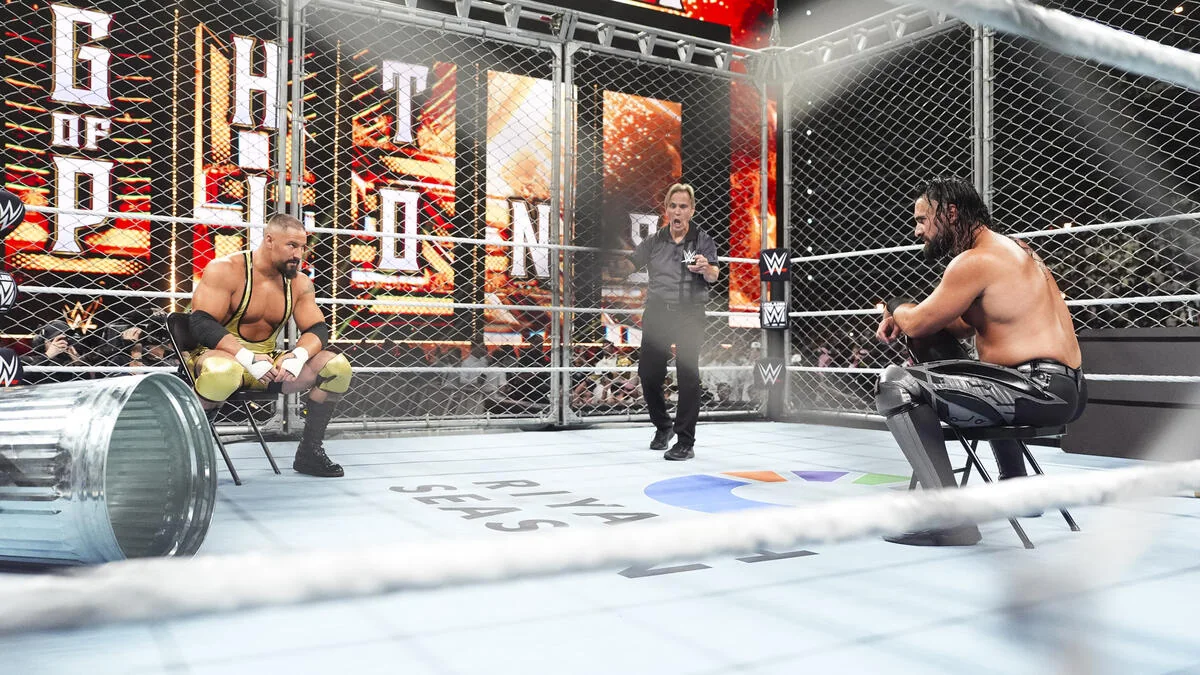
Some WWE broadcasts and Netflix replays have carried different picture or dialogue edits. Recent examples include the August 31 Raw parking-lot attack and Paige's September 4 SmackDown exchange with Nikki Bella. The differences are documented, but the person performing an edit and the party requesting it must be distinguished. This guide explains the cases and their effect on the story, using information available September 8, 2026.
What WWE viewers mean when they call a broadcast censored
A blurred face, a muted chant and a missing punchline are three different editorial changes. They can all alter the experience of watching WWE, but they do not provide the same evidence about what happened behind the scenes. Picture treatment hides something within a shot. An alternate camera angle changes what the audience sees. Removing dialogue can change the meaning of a confrontation even when the segment remains in the episode.
That distinction matters because a wrestling show communicates through more than its official results. A pause before a reply can establish that an insult landed. A crowd reaction can make a challenger feel dangerous. A close-up can explain why the referee is concerned. If those elements change between versions, two fans can agree on who won while remembering a different emotional rhythm. The useful question is which part of the presentation changed and what information the replacement leaves behind.
Not every shorter replay establishes that kind of change. Netflix's live-event guidance says live programming can contain commercial breaks across plans and that those breaks are removed for ad-free replay experiences. A difference in total runtime therefore needs a closer look before it becomes evidence that a match or promo was cut. A highlight video also announces a different purpose from a complete episode: it selects moments rather than preserving the whole broadcast.
Location is another part of the comparison. WWE's official viewing guide places US SmackDown on USA Network, while many international viewers use Netflix. Germany and Austria have separate weekly-show arrangements. A fan saying something aired on television and another saying it was missing on Netflix may both be describing their own versions accurately; neither observation alone establishes what every country received.
For the examples below, keep three labels in mind: the dated WWE programme, the service carrying the version, and whether it was the initial transmission or a later replay. Those labels are more informative than a screenshot captioned simply “Netflix did this.” They also prevent a missing programme caused by regional rights from being mistaken for a missing scene within an available episode. Our TV schedule helps identify the correct broadcast before you compare its content.
Why the August 31 Raw parking-lot attack looked different
The August 31, 2026 episode supplies an important correction to the idea that edits only happen after a live show ends. This Raw was taped, and the controversial picture treatment was already present when the episode aired. POST Wrestling's contemporary report described pixelation over Jey Uso's face during the opening attack. Watching the initial transmission therefore did not automatically deliver the version later shared online.
WWE's recap identifies Royce Keys, Bronco Nima and Lucien Price as the attackers, with Jimmy and Jey Uso their targets. Jacob Fatu subsequently confronted the threat at ringside. These are events within WWE's storyline; an image treatment should not be used to diagnose a performer's actual medical condition or to decide whether a depicted injury was genuine.
On September 1, Triple H shared an uncensored version of the angle on social media, as documented in Wrestleview's report with the embedded post. That establishes a useful example of different official presentations. It does not establish a permanent uncensored Raw service or promise that every edited sequence will receive its own alternate release.
How the presentation changes a wrestling angle
The scene's purpose is understandable without counting the violent shots: a developing alliance has attacked an established team, and another major character must respond. My reading is that conspicuous blurring competes with that purpose. Instead of concentrating on the attackers' threat or Fatu's anger, a viewer may spend the scene trying to work out what the programme has hidden. That is a storytelling criticism, separate from demanding that WWE feature more blood.
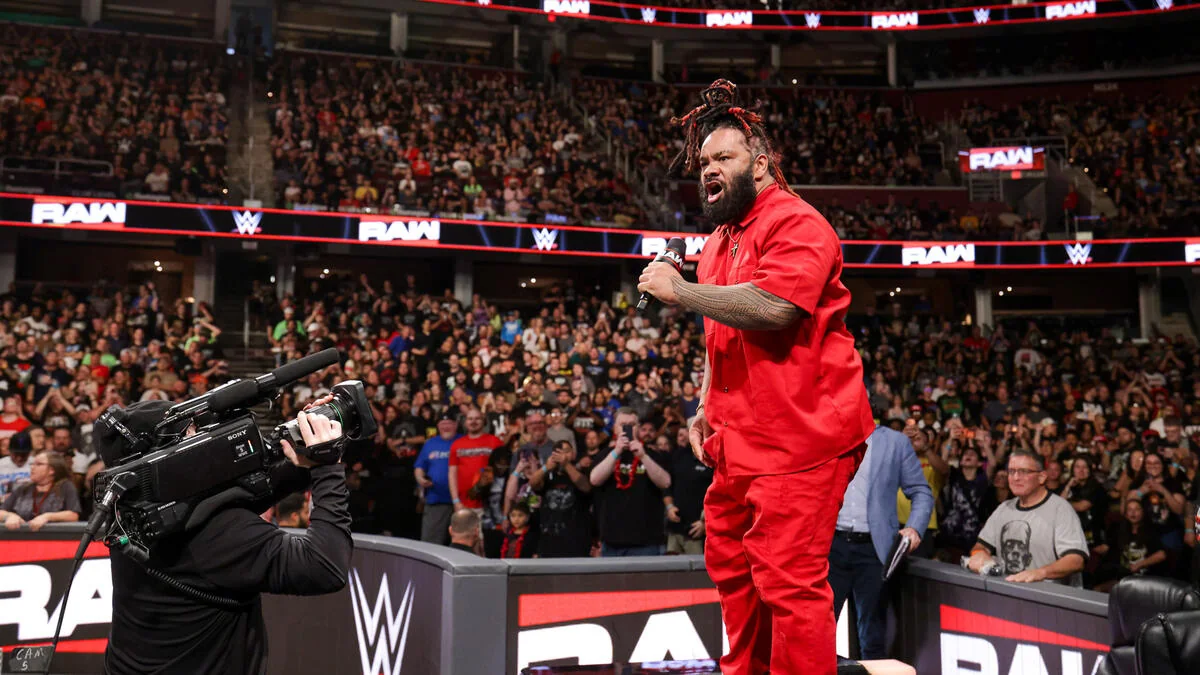
There is also a reasonable distinction between choosing a less graphic camera angle from the outset and interrupting an angle's visual emphasis after it has been built around the aftermath. Either approach can communicate an attack, but consistency helps the audience follow its consequences. If you missed the original episode, the official recap establishes the participants and Fatu's response; the separately published clip is additional context for the presentation debate. Neither requires treating a backstage ambush as an actual sporting contest with a winner.
What was removed from Paige and Nikki Bella's SmackDown exchange
The dialogue example concerns the September 4, 2026 episode of SmackDown. Paige and Nikki Bella traded personal insults during a backstage confrontation. Paige used John Cena's familiar “Hustle, Loyalty, Respect” wording to set up a sexual allusion aimed at Nikki. CinemaBlend's September 6 comparison reported that the US broadcast retained the payoff, while the Netflix replay replaced that part with a crowd shot.
For the underlying segment, WWE has its own dated Paige and Nikki highlight page. That is a better starting point than a repost whose caption does not identify the episode. The social discussion crossed into September 5 and the CinemaBlend article appeared September 6; those publication dates should not move the actual SmackDown episode to a different night.
The significance of the reported edit is structural. A setup invites the audience to anticipate a reply or punchline. If the payoff disappears, a reaction shot can become puzzling: viewers see that something provoked the audience without hearing the words that explain it. Someone watching the other version may then discuss a line the replay viewer never encountered. The disagreement is about access to a specific moment, not necessarily about either fan paying insufficient attention.
You can also dislike the personal nature of the promo while noticing that its edited form is awkward. Those judgments do not cancel each other out. WWE can be criticized for writing a confrontation around an insult, and the presentation can separately be criticized for leaving the setup without the same resolution. It is more precise to describe those two choices than to assume everyone who objects to an edit approves of every line in the original scene.
Keep the exchange within its wrestling context. It is an on-screen rivalry, not a reliable account of the performers' private motives, and the Cena reference does not announce his involvement in their next match. To follow the programme, compare the dated official segment with the subsequent confrontation or advertised bout. The SmackDown schedule tells you where the story continues; a viral fragment by itself cannot establish what either character will do next.
Who makes the edits: WWE, Netflix or both?
The company performing an edit and the party requesting it are not necessarily the same. That is the most important qualification in the responsibility debate. A platform logo identifies where a viewer found the programme. It does not reveal the production notes that accompanied the file, who approved a particular replacement shot or which requirement an editor was trying to meet.
The Night of Champions report points to WWE
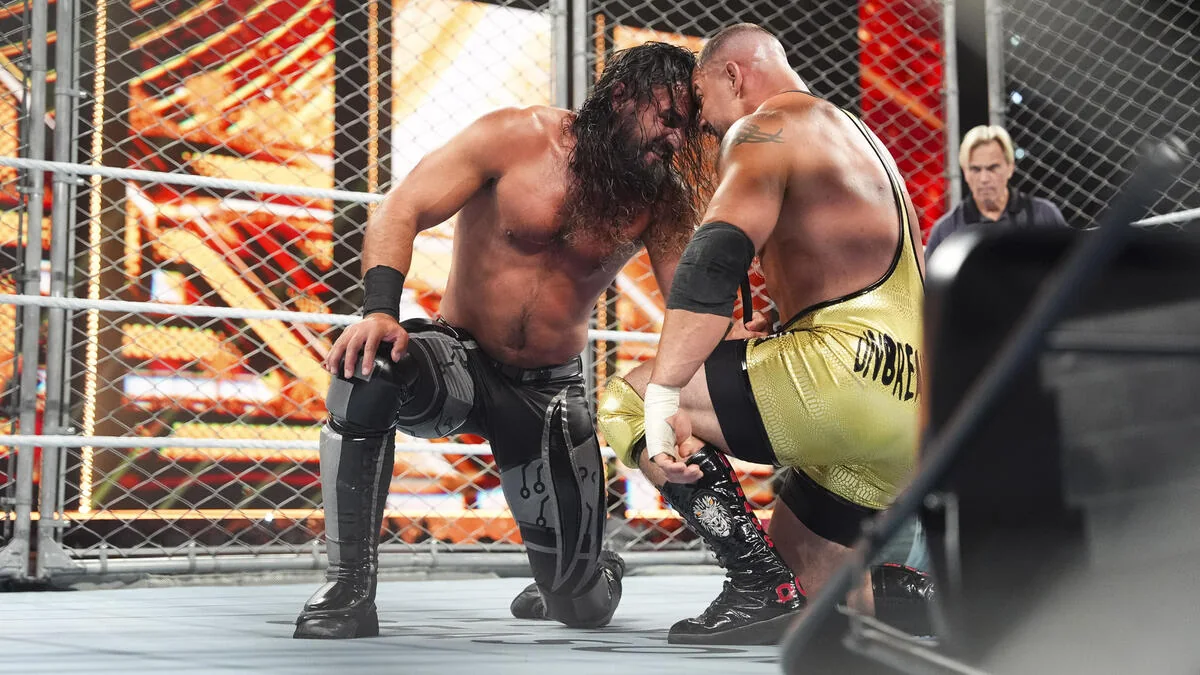
The earlier example is Seth Rollins against Bron Breakker at Night of Champions on June 27, 2026. In a July 2 report, PWInsider's Mike Johnson said WWE performed the Netflix replay edits, including treatment of Breakker's bloodied face and alternate camera shots. F4W's summary also described a crowd-chant substitution. This was a specific replay case, months before the September discussion.
Johnson then made a crucial clarification in his July 3 Q&A: he had reported who did the work, not who made the decision. He said Netflix might have requested it and that he did not know the reason. Using the July 2 story to declare Netflix uninvolved would therefore misrepresent the reporter's own explanation.
A version comparison cannot reveal every instruction
There is relevant later reporting as well. Fightful's September 3 article, citing WrestleVotes Radio on Fightful Select, said some people in WWE post-production felt constrained by Netflix's restrictions and had not expected them to be as intensive. That is attributed backstage reporting. It is not a published Netflix rulebook explaining every blood shot, word or camera change.
The fair conclusion is narrower than either popular slogan. Reporting supports WWE's involvement in producing particular edits and describes concerns about Netflix's parameters. The publicly available comparison does not establish an identical approval process for every show. It also does not identify a particular country's rule, an advertiser's demand or a specific executive as the cause of each change. Those claims need their own evidence.
For fans, this is a reason to ask a better question rather than abandon criticism: was a scene changed, who is reported to have done the work, and is there reliable information about the request? An explanation can answer the first two while leaving the third unresolved. Preserving that uncertainty makes the criticism more accurate and keeps a later correction from overturning the entire account.
Why an age rating or account upgrade does not answer the question
An age label helps a household judge a programme's suitability. It does not supply the production instructions behind a missing shot. Netflix's ratings guidance explains that classifications can be assigned by Netflix or local standards organizations and take account of content such as violence, language and sexual material. Reading the label is useful; treating it as a complete explanation for a particular WWE edit goes beyond what it tells you.
The familiar comparison with a violent Netflix drama has the same limitation. Two programmes being available inside one app does not establish that they share the same intended audience, rating or production requirements. You can reasonably ask why WWE's presentation feels inconsistent without assuming the platform applies one identical threshold to every film and series. A specific explanation would need to connect the actual WWE scene to the rule being applied.
It is similarly unhelpful to promise that a more expensive account unlocks an uncensored WWE version. Netflix's published plan features do not advertise such a benefit. A purchase decision should follow the features actually listed, such as the relevant viewing and device options, rather than a rumor that paying more restores a deleted line. The distinction is especially important if your existing account already plays the episode successfully.
Profile controls and an edited programme are separate issues
Netflix's parental controls let account holders manage the titles and maturity levels available to a profile. That is a different function from selecting a second edit of a programme. If a title is absent on one profile, its restrictions are worth checking. If an available replay cuts to the crowd at a particular moment, raising a profile's maturity limit is not a documented way to recover the missing footage.
For family viewing, start with the actual episode's content information and your own judgment about its themes. A blurred injury does not erase the fact that a scene depicts an ambush, and removing one insult does not necessarily make a rivalry gentle. For an adult viewer, the useful route is to locate any officially published alternate segment and understand what differs. Neither audience benefits from confusing access controls with editorial choices inside the video.
How to compare the official versions without losing the story
Begin with the full episode you can legitimately access and the dated clip on WWE's own site or verified account. A repost may help you discover the disputed moment, but its label is not enough to establish where the footage came from. Keep a little of the material before and after the moment in view: an isolated crowd shot says less than the complete exchange around it.
- Write down the show and episode date, the service, your viewing country and whether you watched the initial transmission or a replay.
- Locate the scene by a story marker, such as Paige interrupting Nikki's interview, instead of relying only on an elapsed timestamp.
- Identify the change precisely: hidden picture detail, an alternate shot, removed dialogue or different audio.
- Check the official recap for the match result or storyline consequence, separately from the presentation comparison.
Story markers matter because versions with different breaks can reach the same scene at different points on the player clock. If a friend gives you a timestamp that lands during an entrance, do not immediately conclude that your version lacks the entire segment. Find the same participants and exchange first, then compare the relevant moment. Note when you checked, too; a claim about a replay on a particular morning should not silently become a promise about its permanent state.
If you suspect a playback or subtitle fault, Netflix provides a title-issue reporting route. Describe what you actually see or hear and identify the scene. That process lets the content team receive a report; it is not a promise that an intentional editorial decision will be reversed. A scene-specific description also makes a better support request than changing account settings at random.
For following WWE itself, retain the distinction between what happened in the story and how a particular service presented it. Use the results page for the outcome and the official dated segment for additional context. You can judge the match, promo and edit separately. The clearest criticism names the missing moment and its effect, while leaving unverified claims about who ordered it exactly where they belong: unresolved.
Join the discussion
Comments